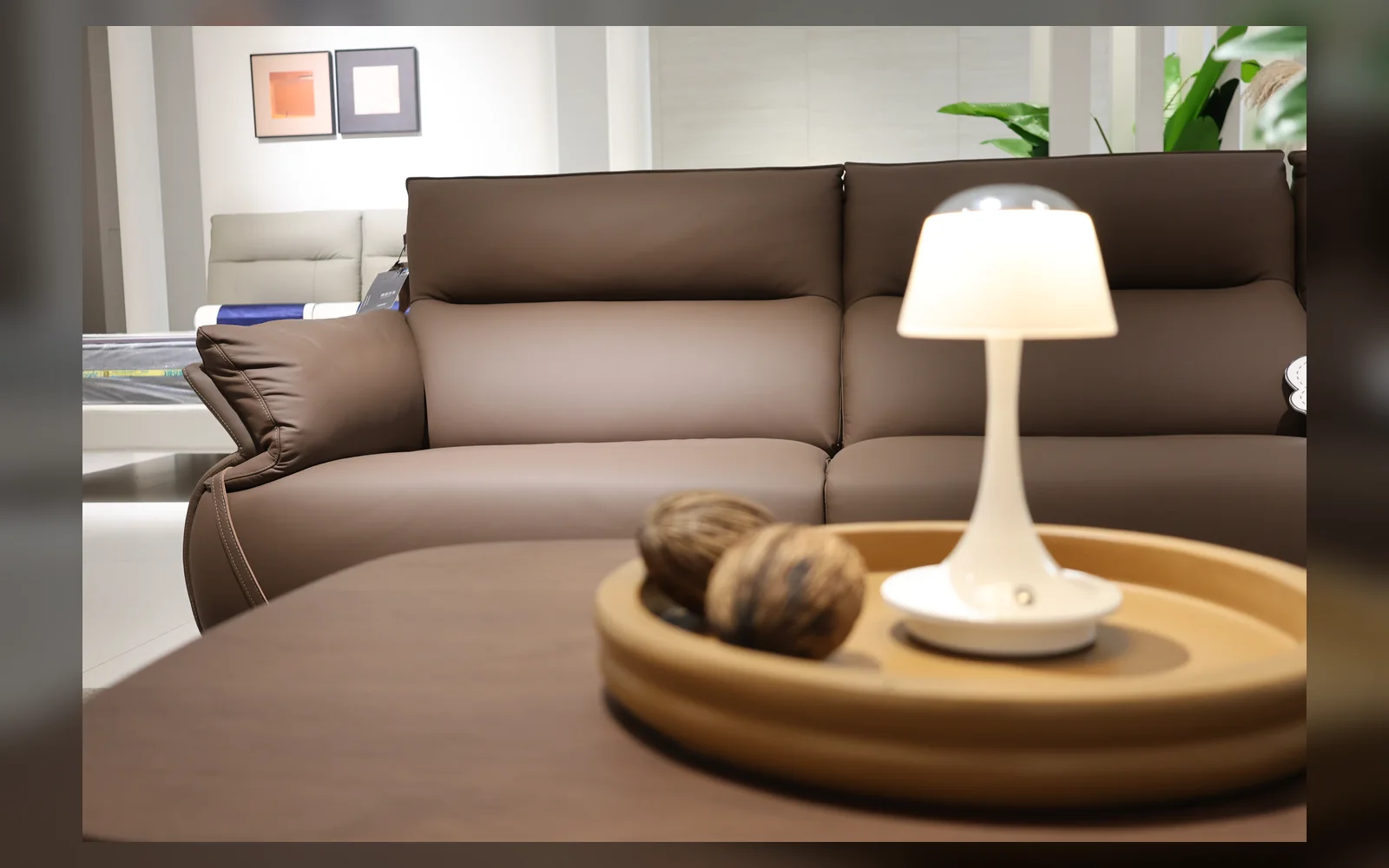
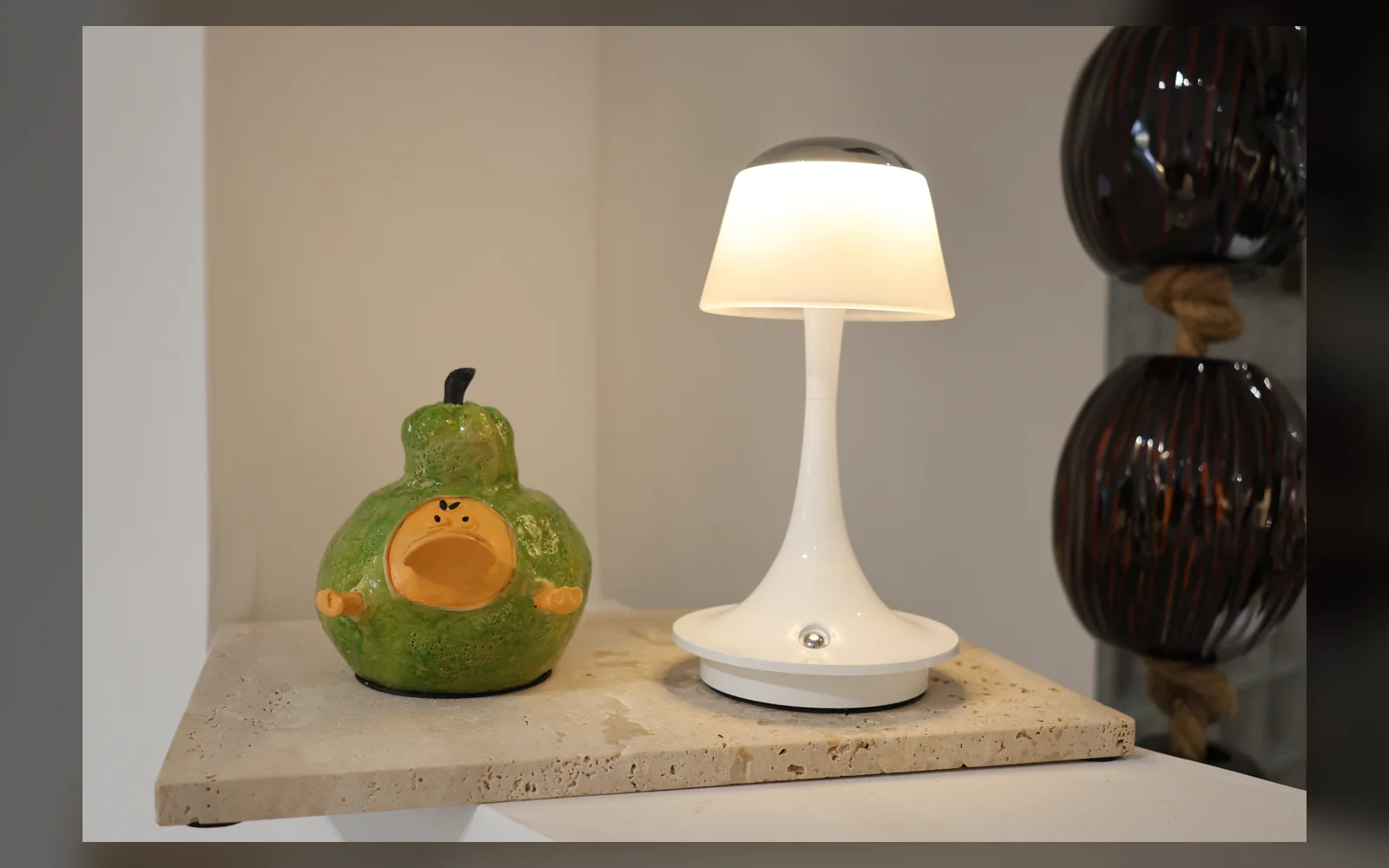
A good lamp listing can still lead to a poor customer experience if the package and instructions are treated as separate projects. For Amazon sellers and independent lighting brands, the unboxing process is part of the product. The lamp needs to arrive with its finish protected, its supplied parts accounted for and its instructions matched to the exact version in the box.
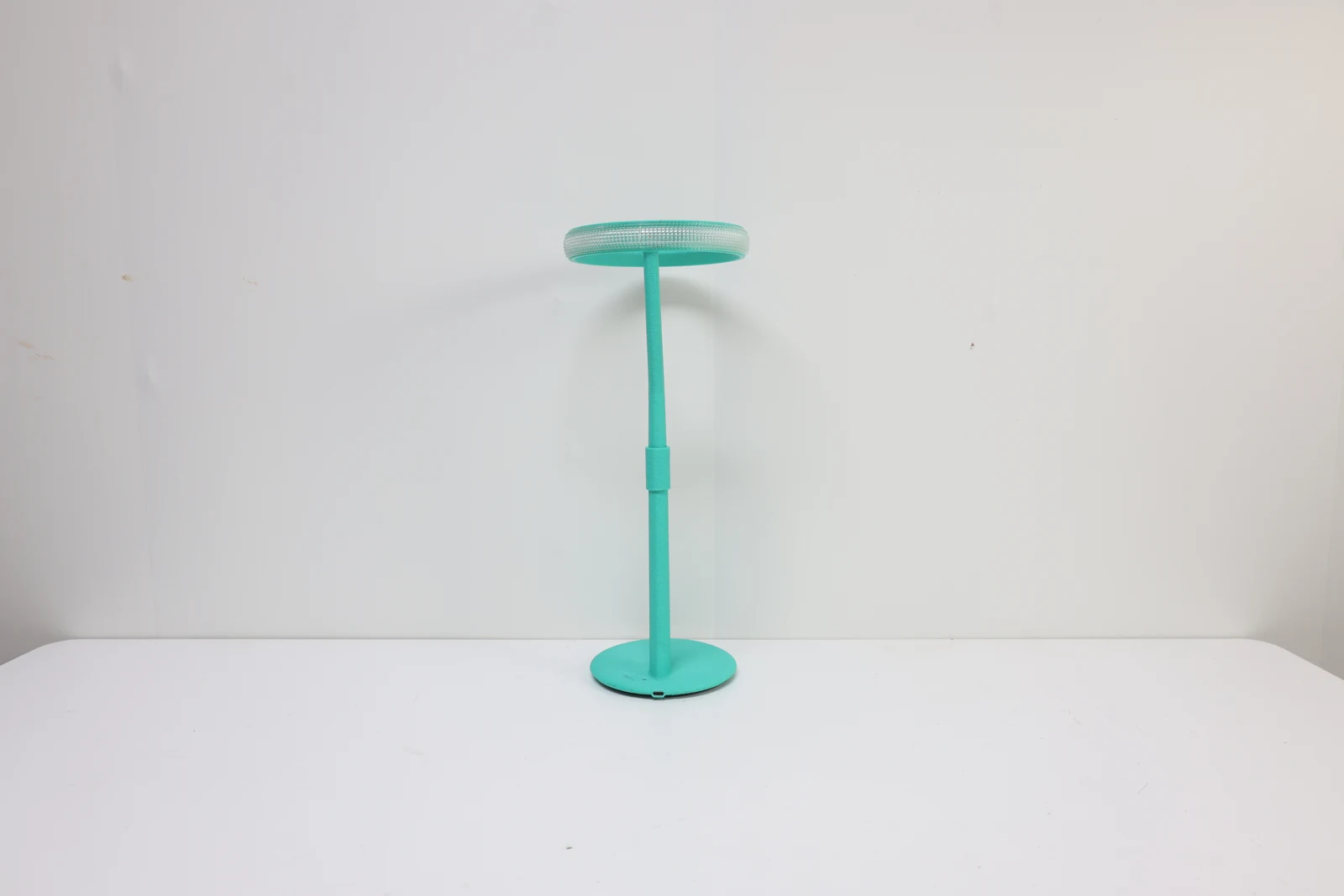
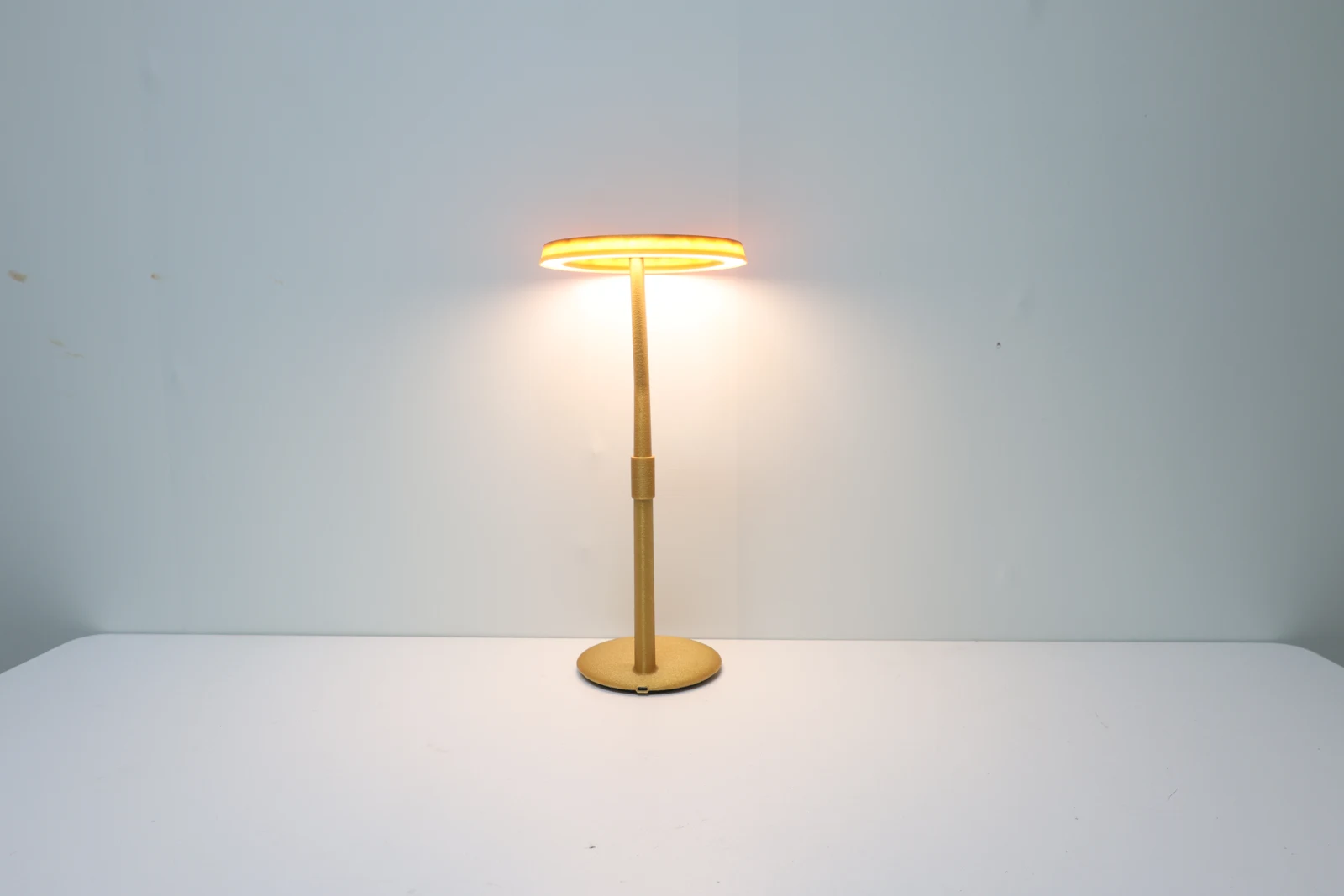
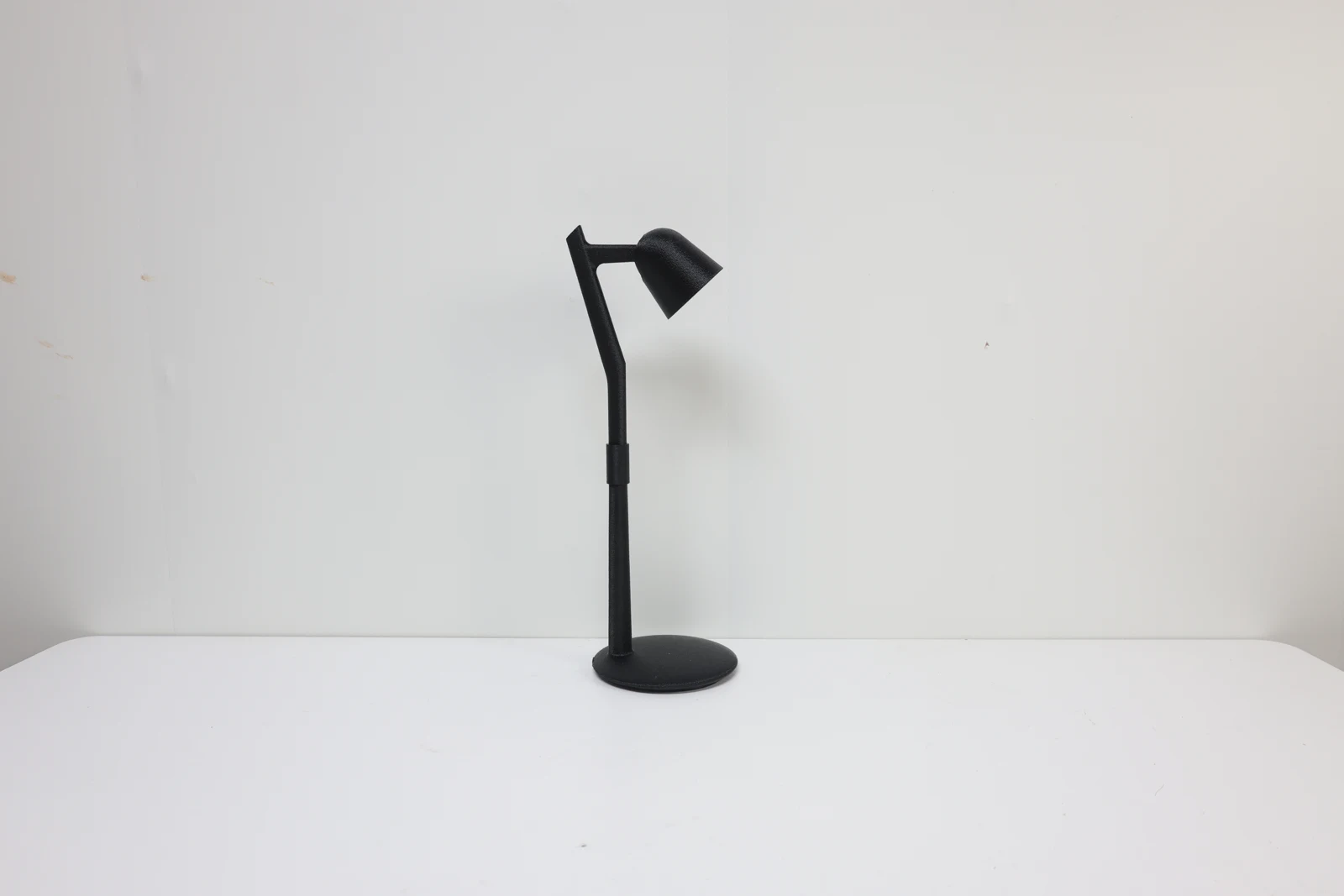
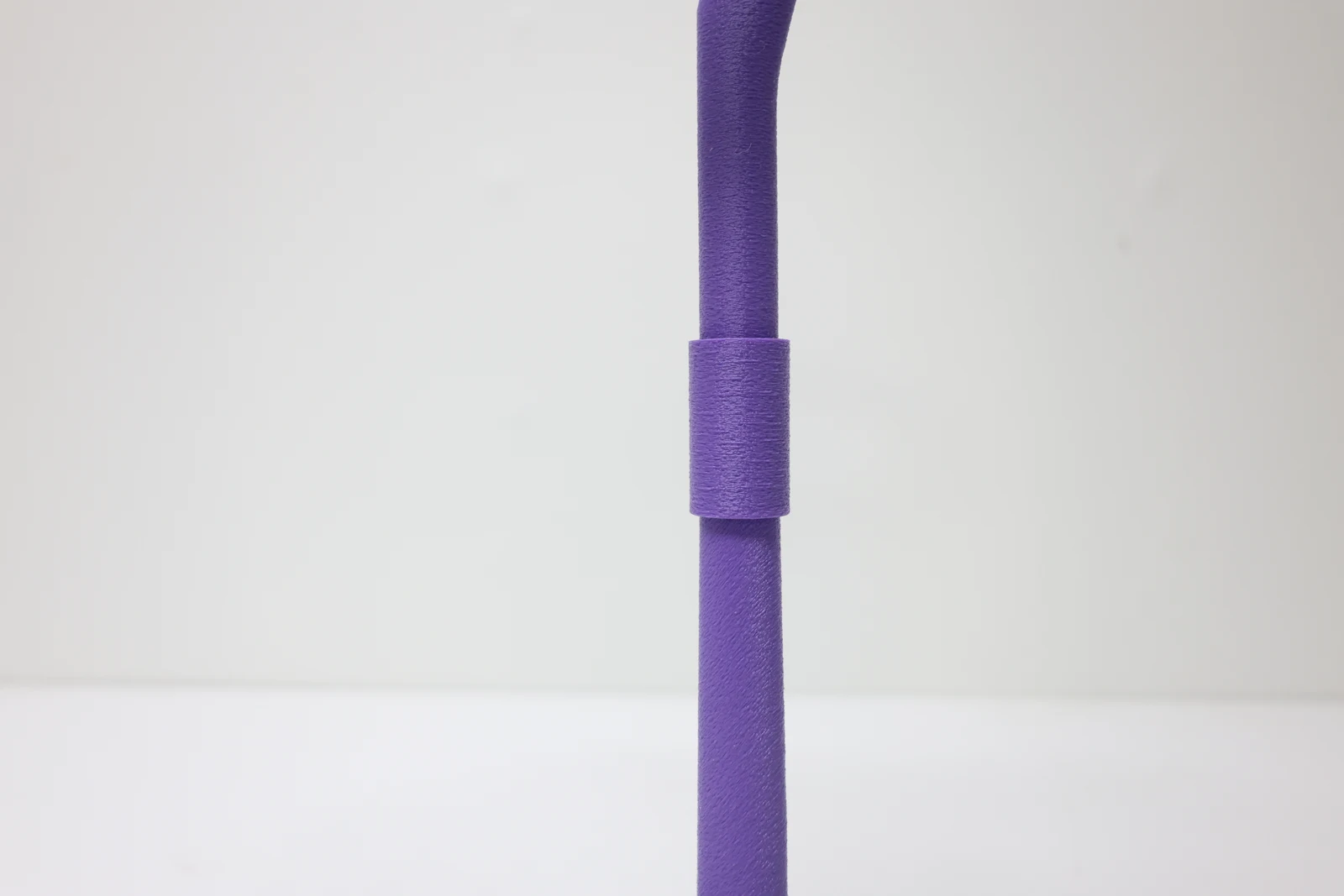
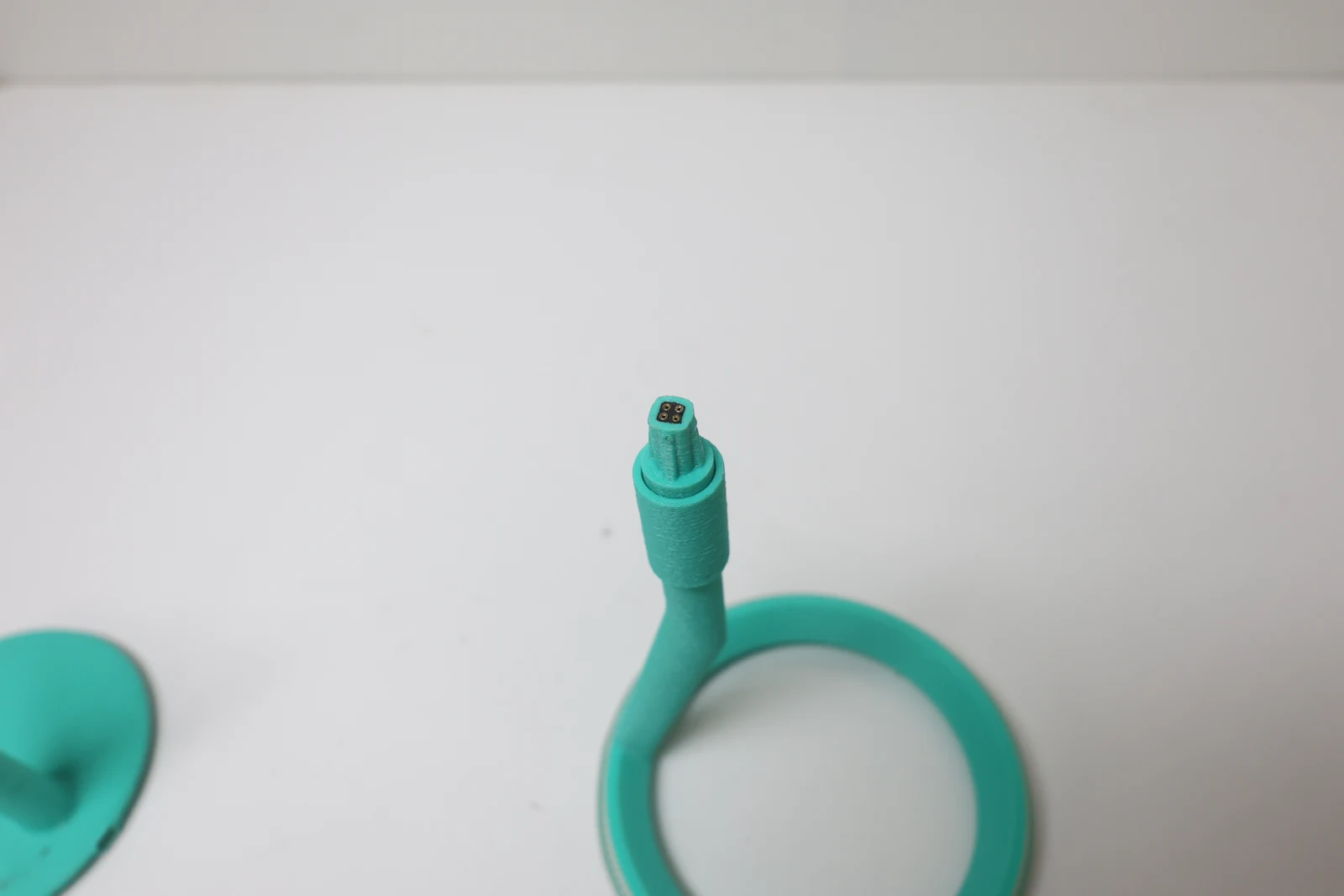
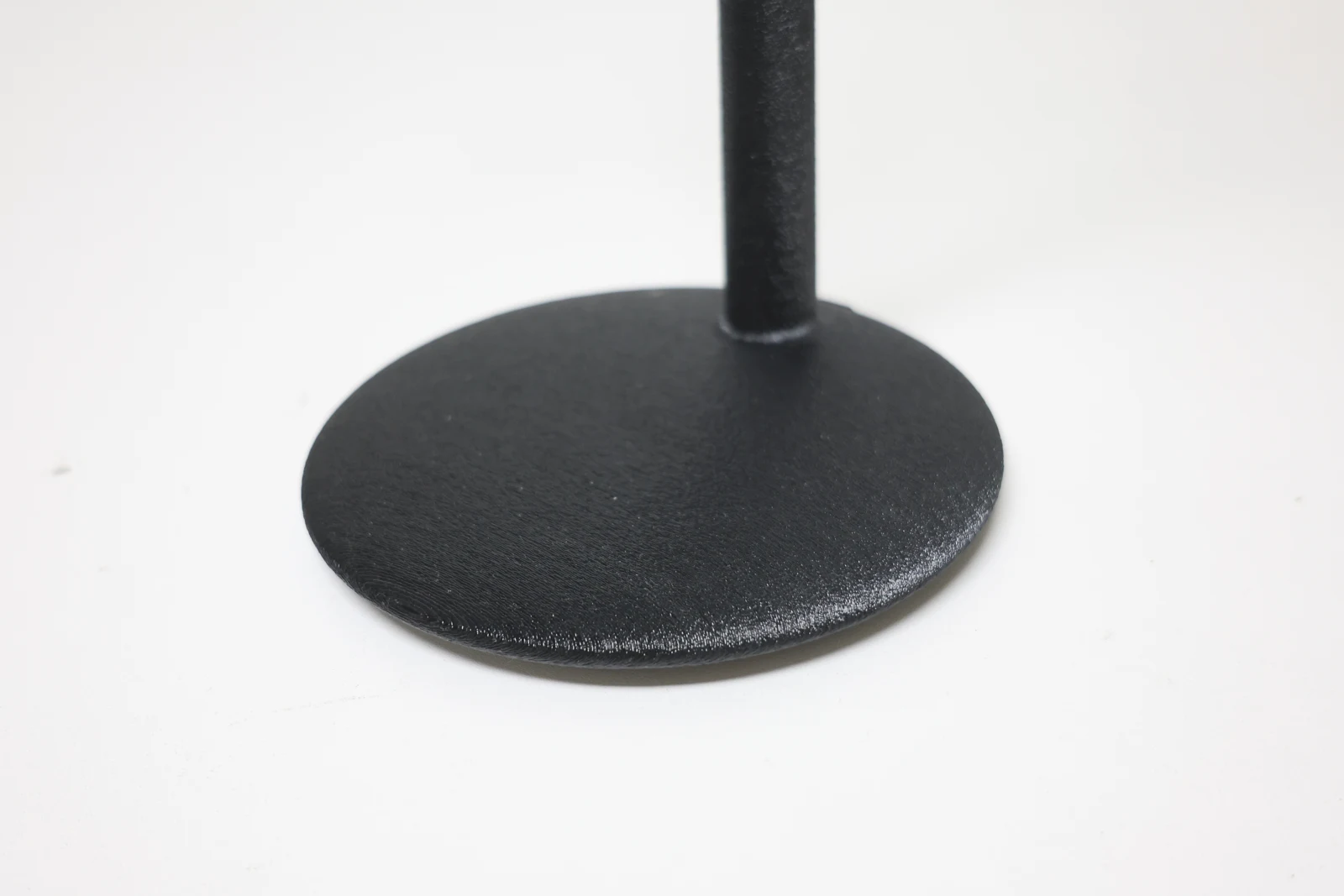
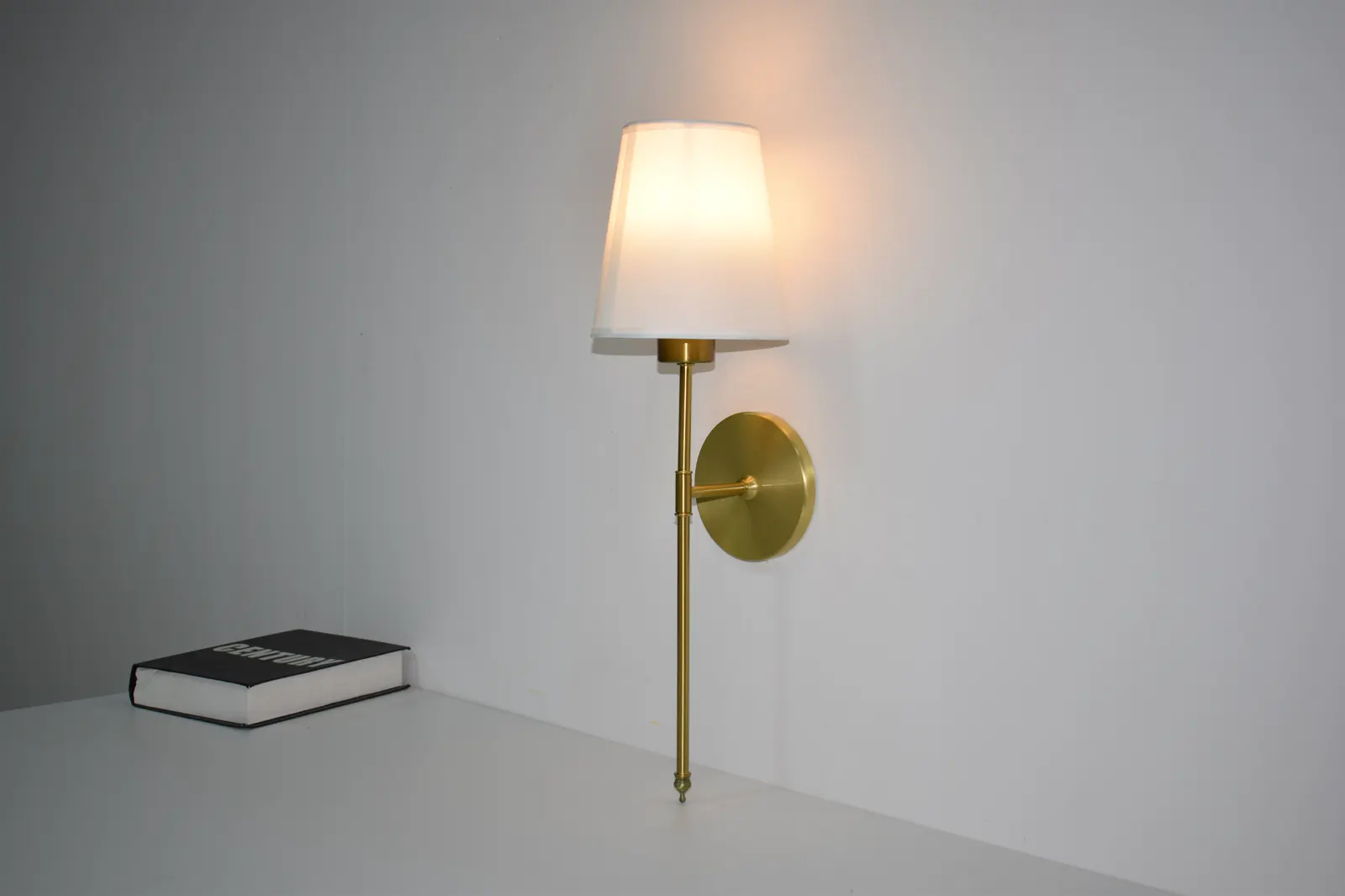
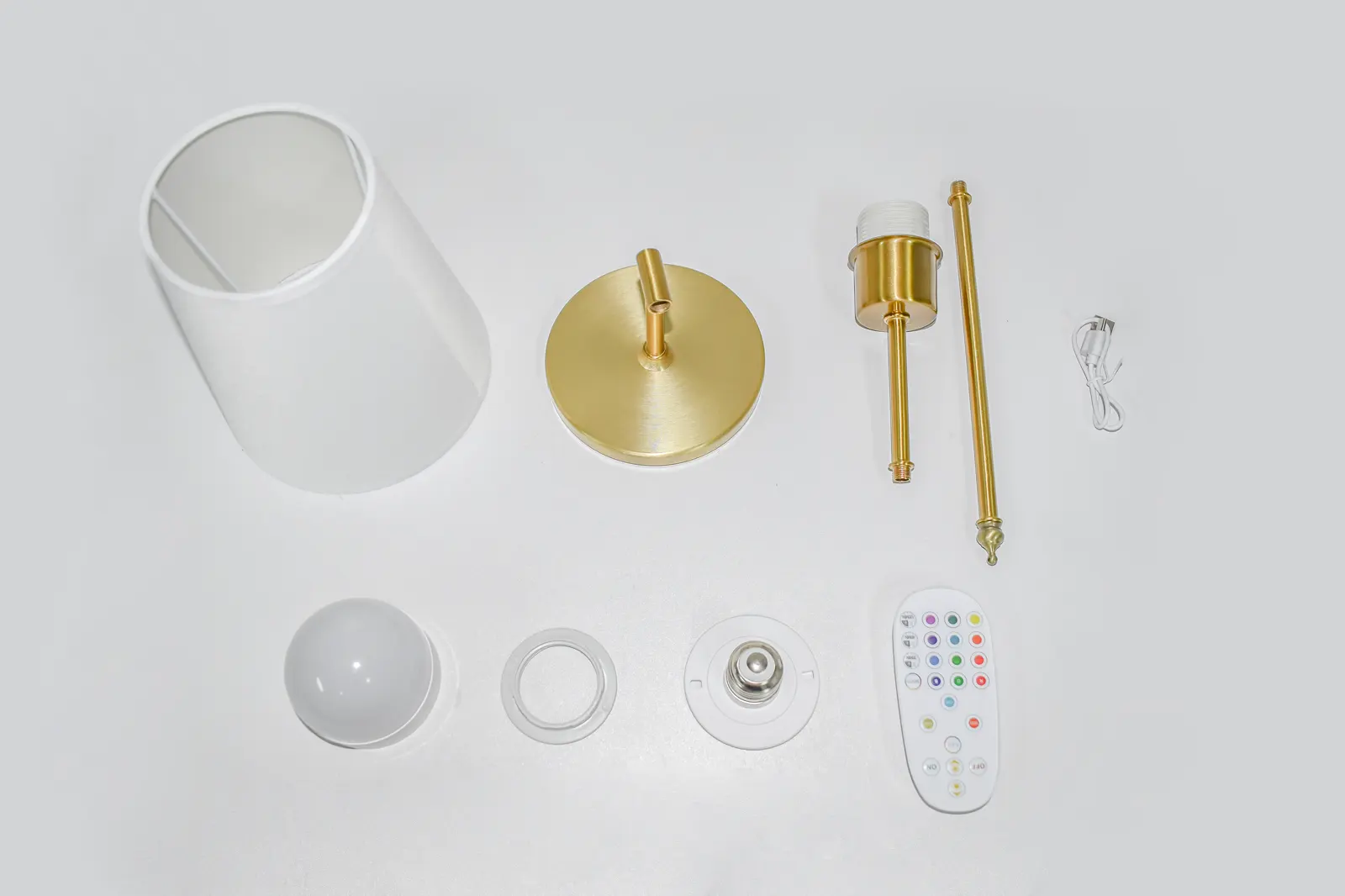
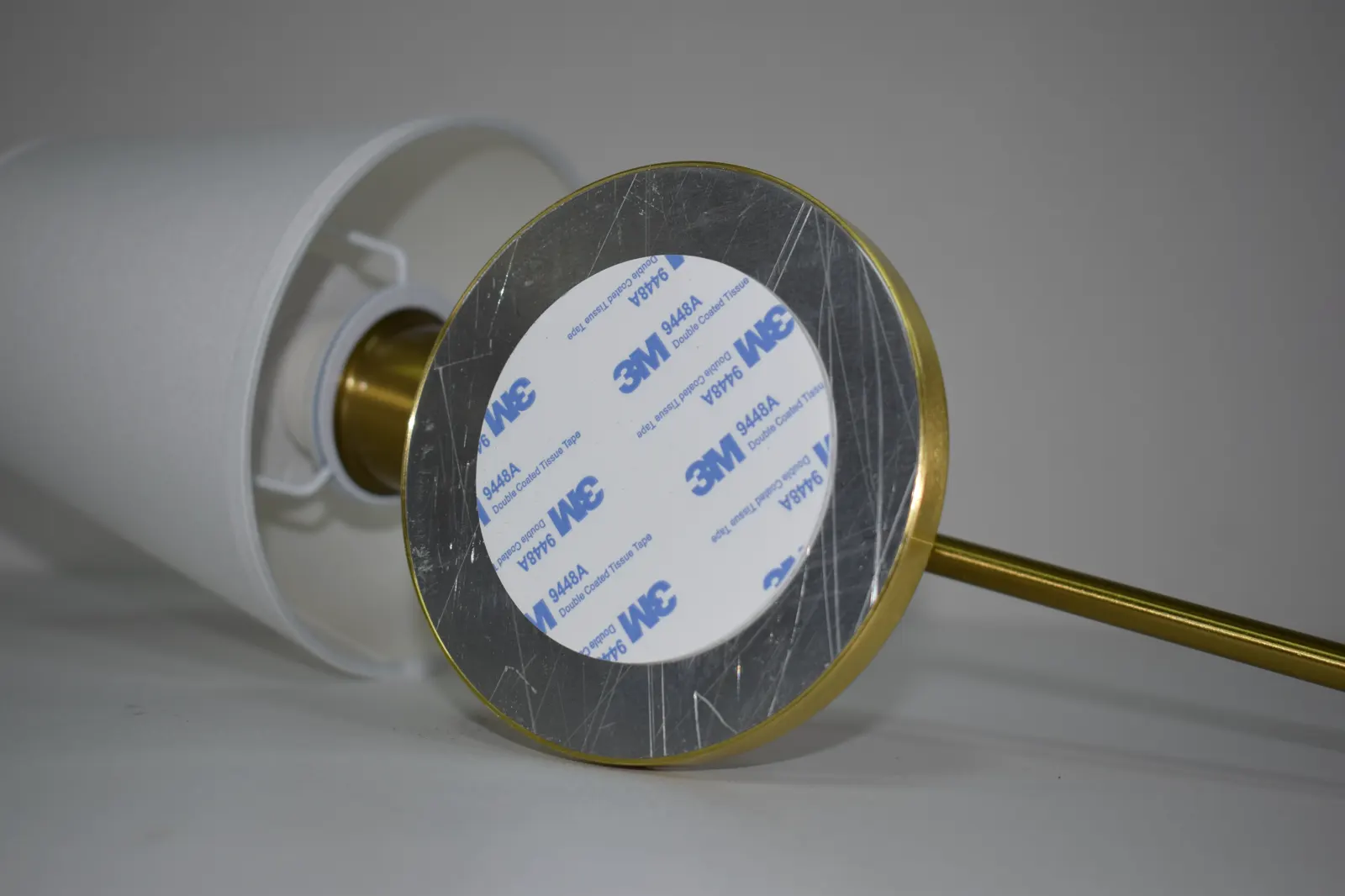
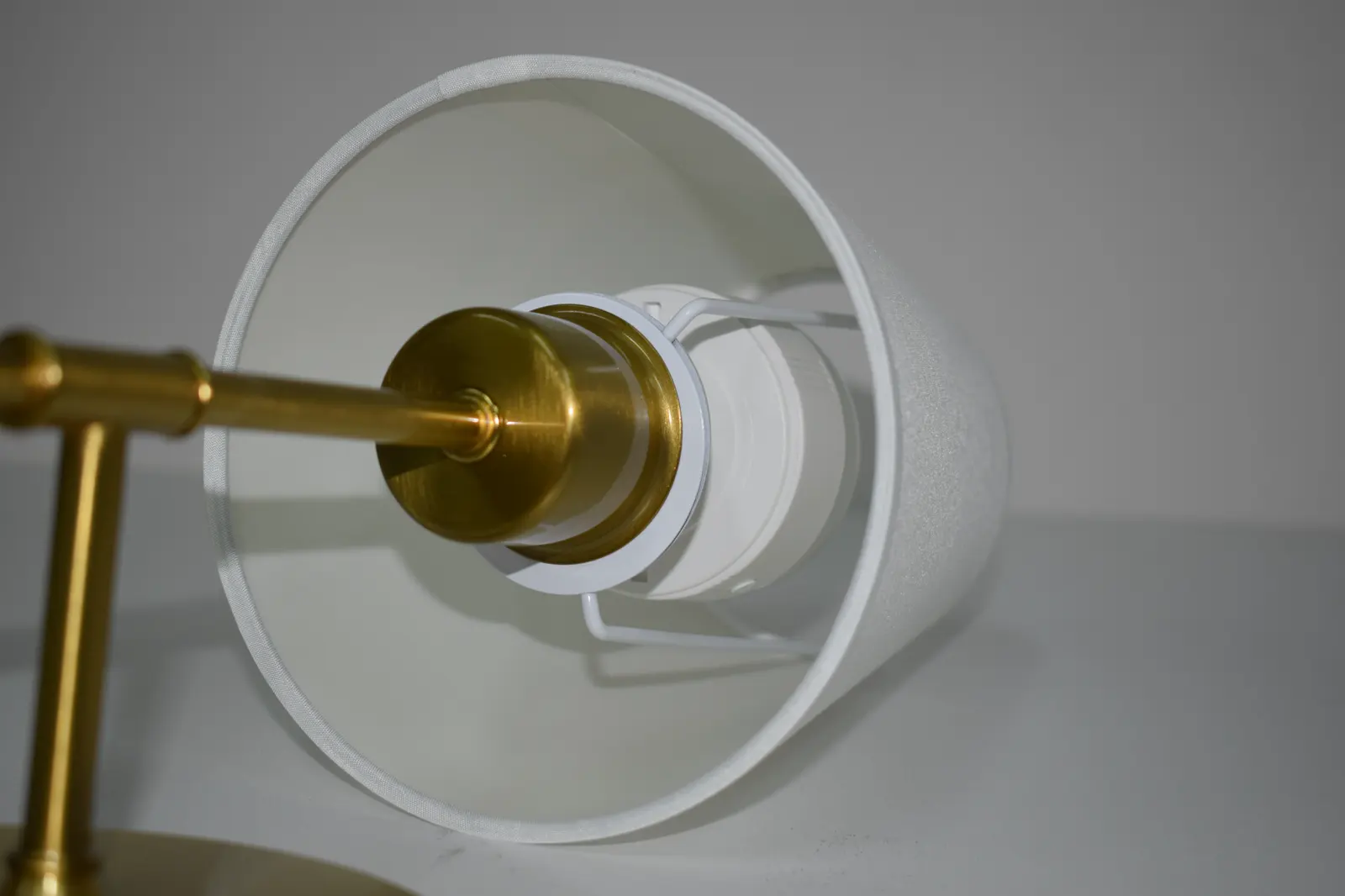
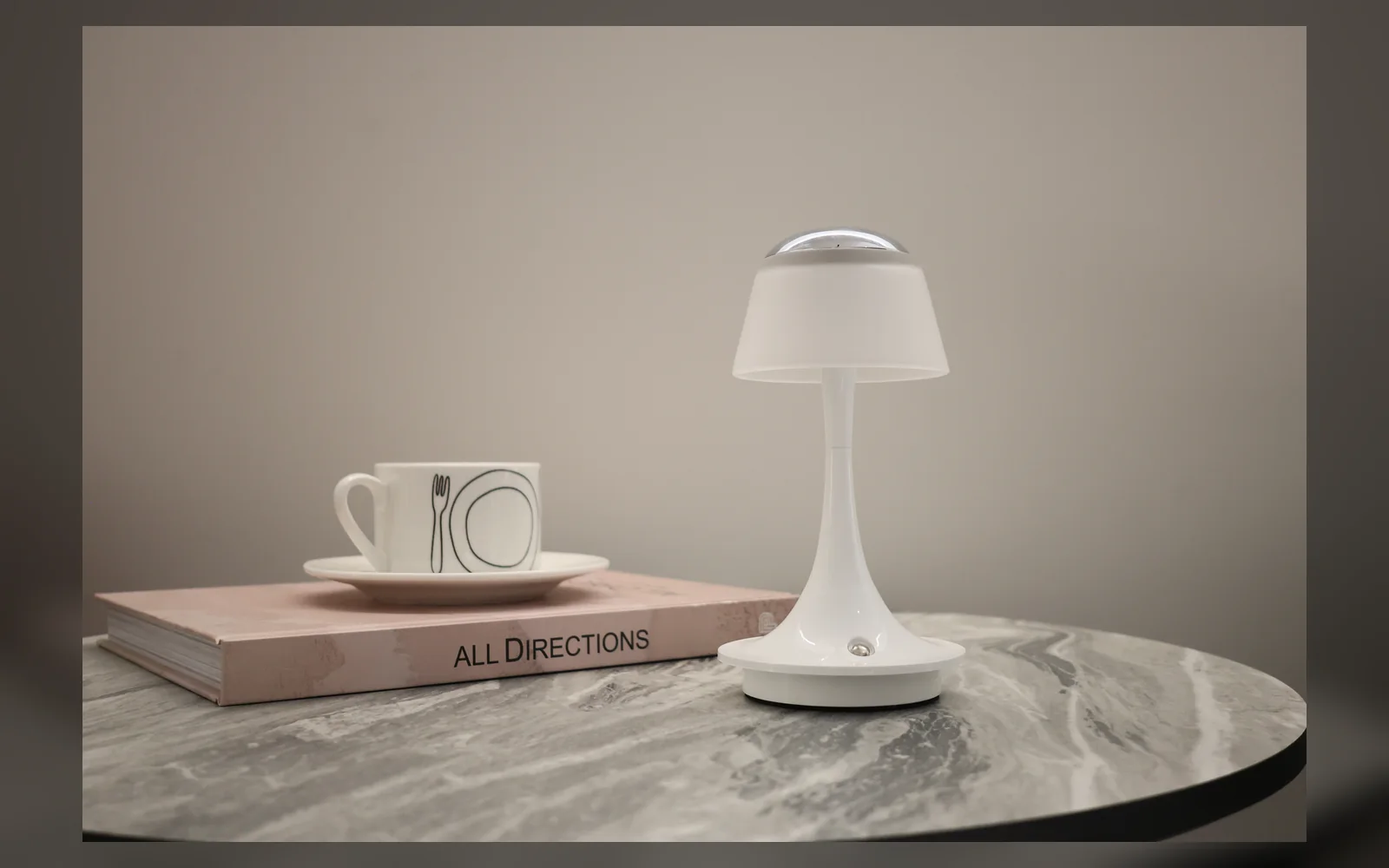
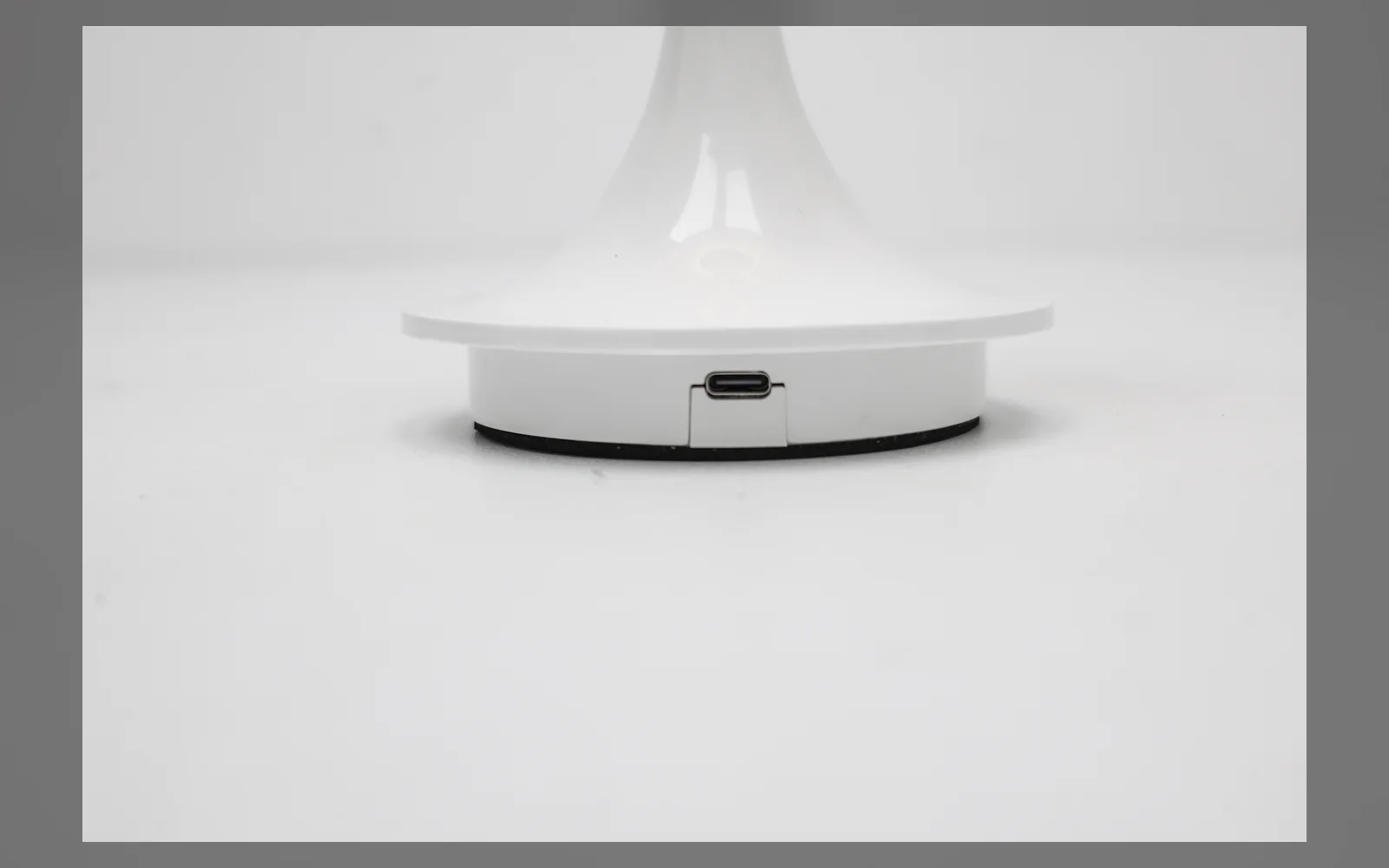
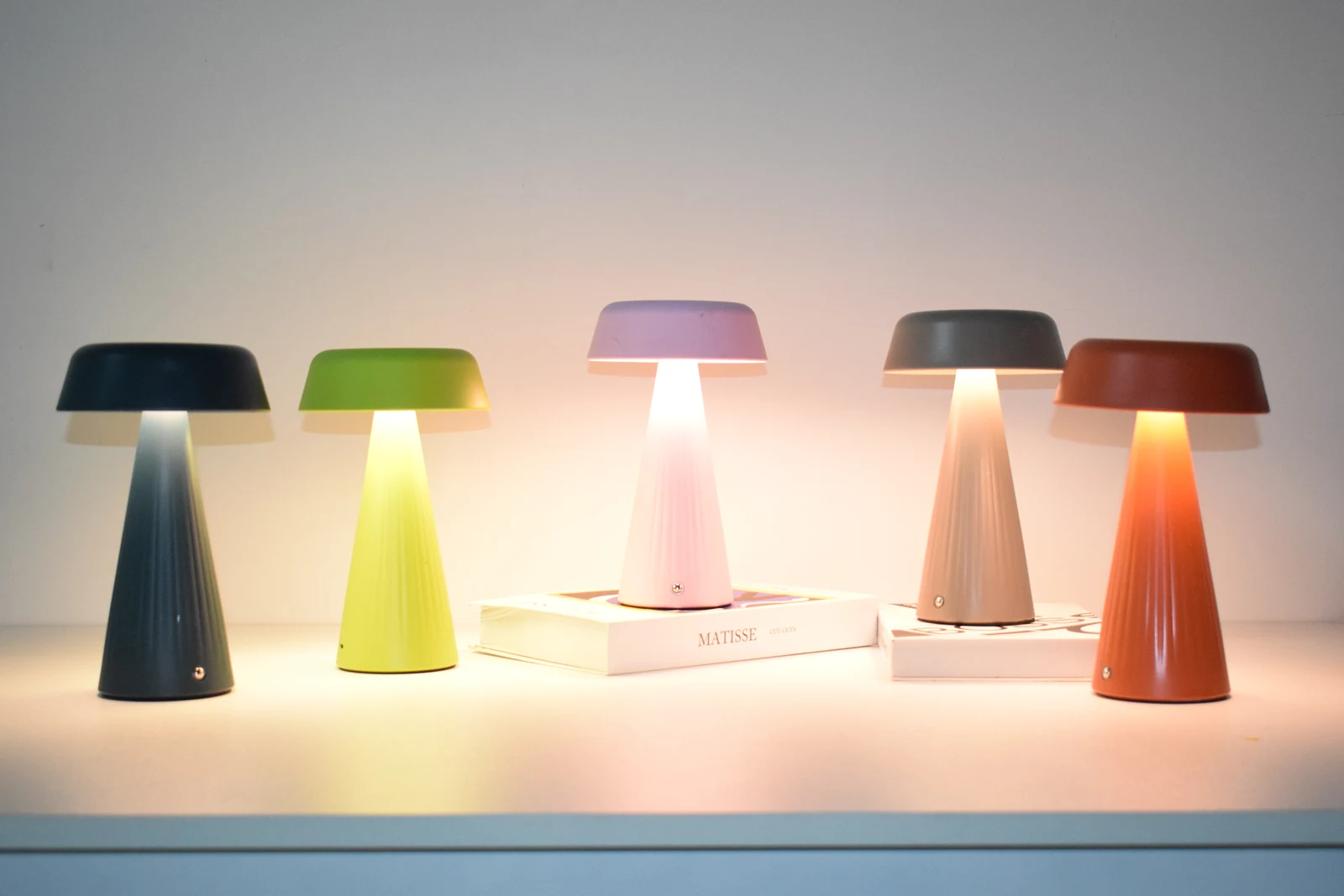
These real JB-108 mushroom-lamp photos provide a visual reference for a packaging discussion. They show the lamp’s form and color presentation, not a completed transit test. This guide outlines what a buyer should request before approving a retail pack. It makes no claim that the photographed samples have passed a particular drop-test standard.
Begin with one approved product configuration
Before a designer creates the carton artwork, write down the model, selected finish, supplied accessories and intended sales channel. A photograph of a similar lamp is not a component checklist. If your collection contains several colors or electrical versions, maintain a separate approval record for each retail SKU.
For this collection, the current product record identifies the JB-108 mushroom form and distinguishes it from the JB-108M smart version. Do not copy app, voice-assistant or smart-home claims from one version to the other. Controls, charging instructions and compliance documents must match the version actually supplied. This article does not rely on a particular dimming method, battery runtime or waterproof rating.

Map the surfaces that need protection
Review the shade, stem and base as contact surfaces. Ask where each surface could rub against an insert, accessory or neighboring component. The right pack should restrain movement without creating pressure points that mark the finish. A small carton alone is not evidence of adequate protection.
Use a packing trial with the actual sample and proposed materials. Photograph the open box, the placement of accessories and the closed carton. Ask the packing team to explain what holds each part in position. Do not infer transit performance from a product photo or a carton drawing.
Separate product dimensions from the shipping package
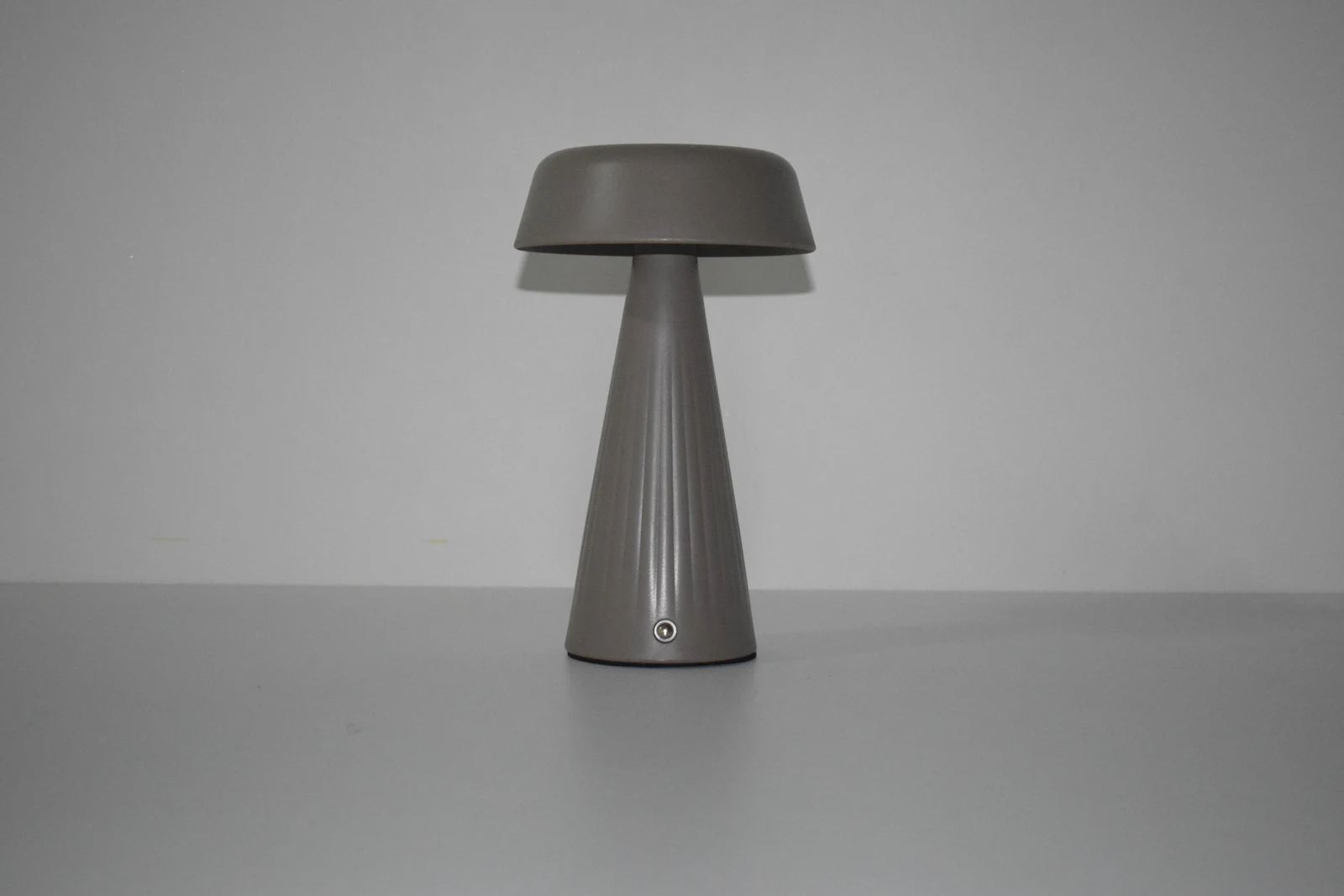
The assembled lamp, the individual retail box and the outer shipping carton are different measurements. Record them separately. Measure the final package with protective materials, accessories and documentation inside, then compare that finished configuration with the carrier’s rules for your intended service and route.
For an independent store shipping one lamp at a time, the retail box may need an additional protective shipping carton. For an Amazon program, clarify whether the pack is intended for inbound logistics, storage or direct customer delivery. Do not assume that one box serves every stage. Check current platform requirements for your specific program before printing artwork or sending inventory.
Write instructions around the first-time user
A person opening the box has not attended your sample review. Begin with an illustrated contents list and a simple identification of the controls and connection points. Explain only the functions verified for that version. If a step requires a particular accessory or power source, use the approved specification rather than a generic instruction copied from another lamp.
Ask someone unfamiliar with the sample to follow the instructions while you observe. Where do they hesitate? Are photographs oriented the same way as the product in their hands? Can they distinguish normal operation from a situation that requires help? Use that feedback to improve the manual before approval. This is a proposed usability review, not a claim that a user test has already been completed.
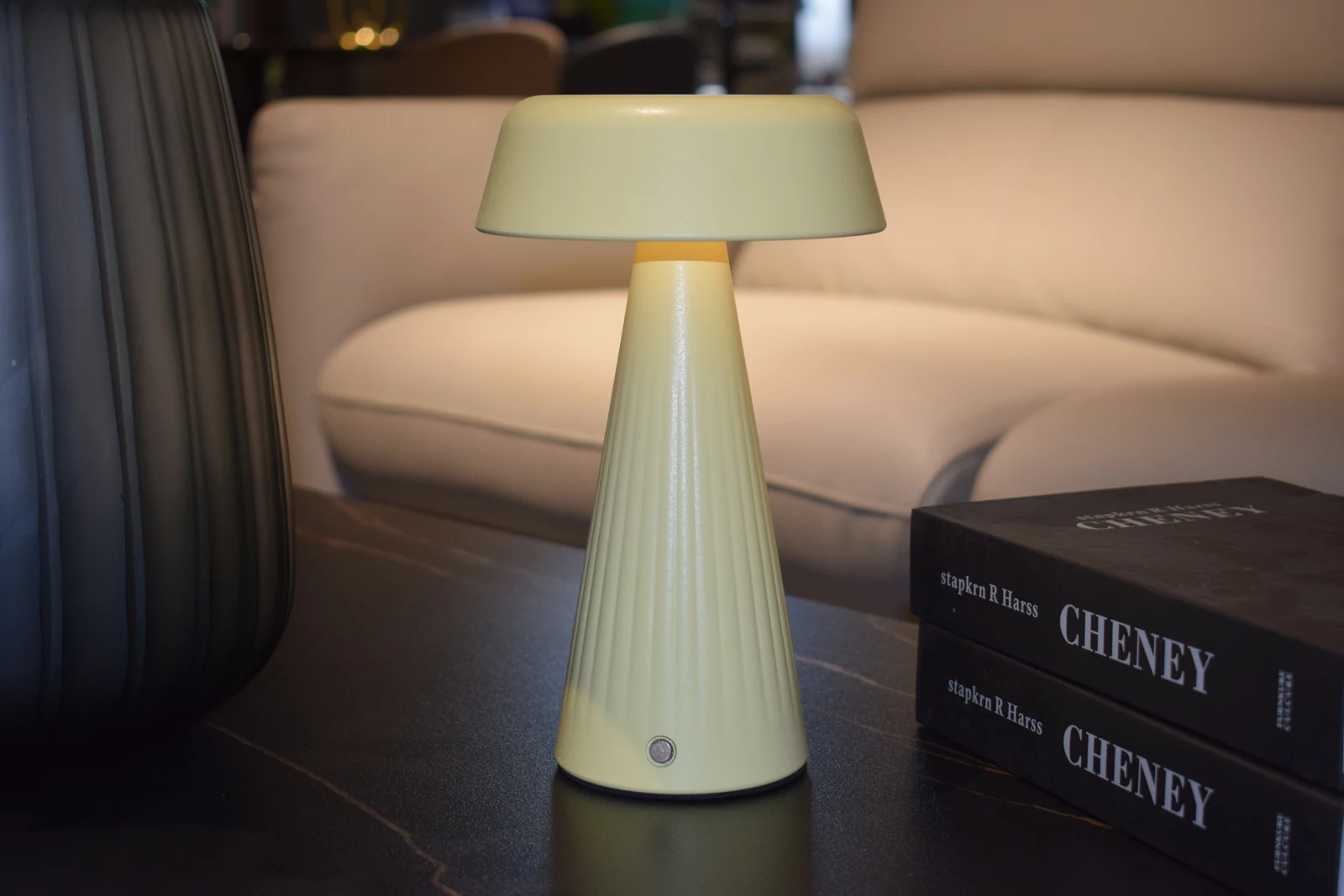
Make the listing and the box tell the same story
For a bedside collection, a customer may respond to the lamp’s compact visual presence and soft room styling. For a hospitality buyer, the discussion may focus on how staff identify the correct version and follow its care and charging instructions. These are different audiences, but both benefit from consistent product information.
Review the listing images, carton labels, manual and supplied kit together. A claim shown on the retail box should be supported by the same-model documentation. Keep certification, battery transport and destination-market labeling questions separate from decorative artwork; a designer should not invent technical statements to fill space.
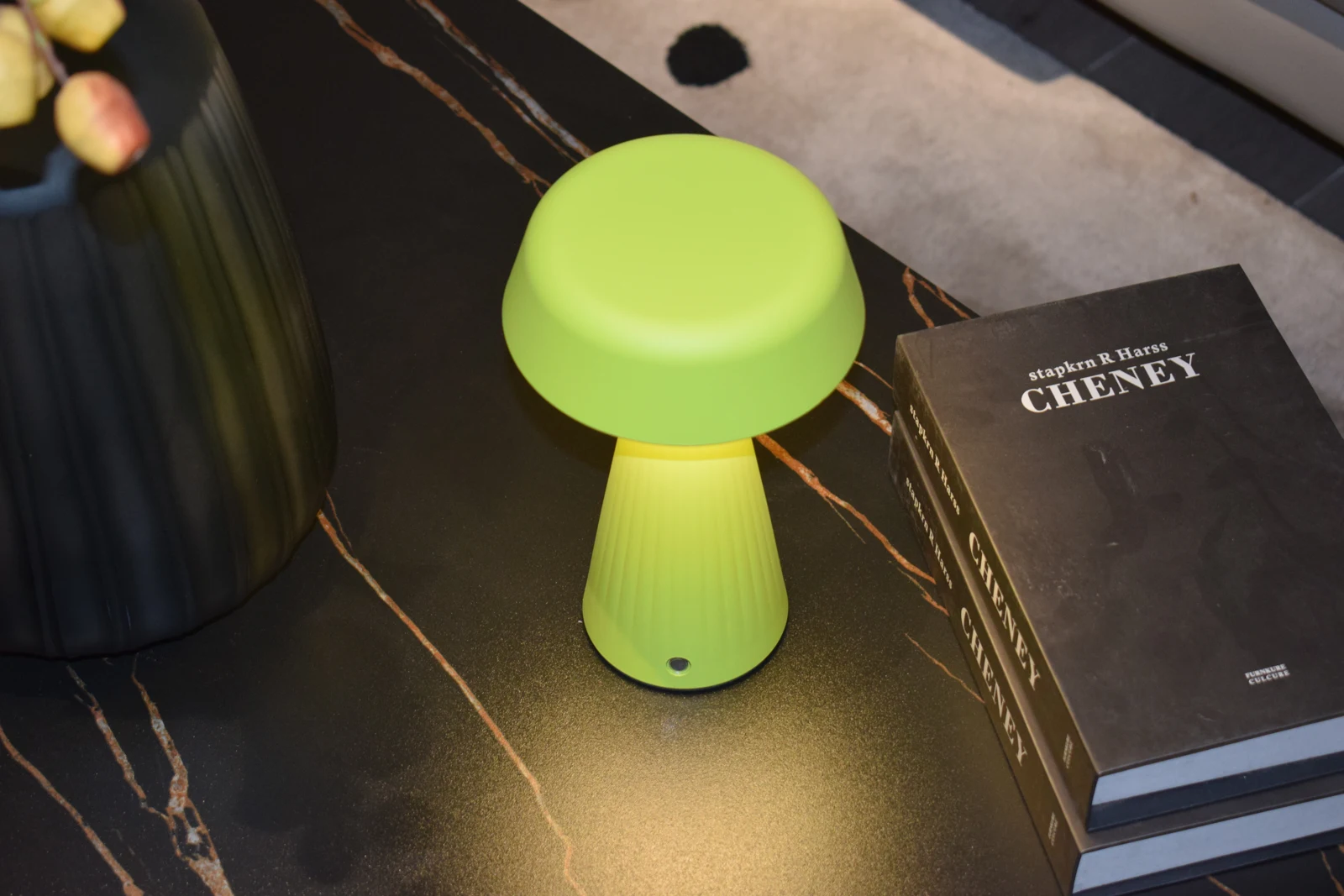
Create a repeatable approval record
Retain the approved sample photos, component list, final artwork revision, manual revision and packing-trial record together. Record any changes before the next order, especially when a finish, accessory or control version changes. A reference sample is useful only when the production and listing teams can identify what it represents.
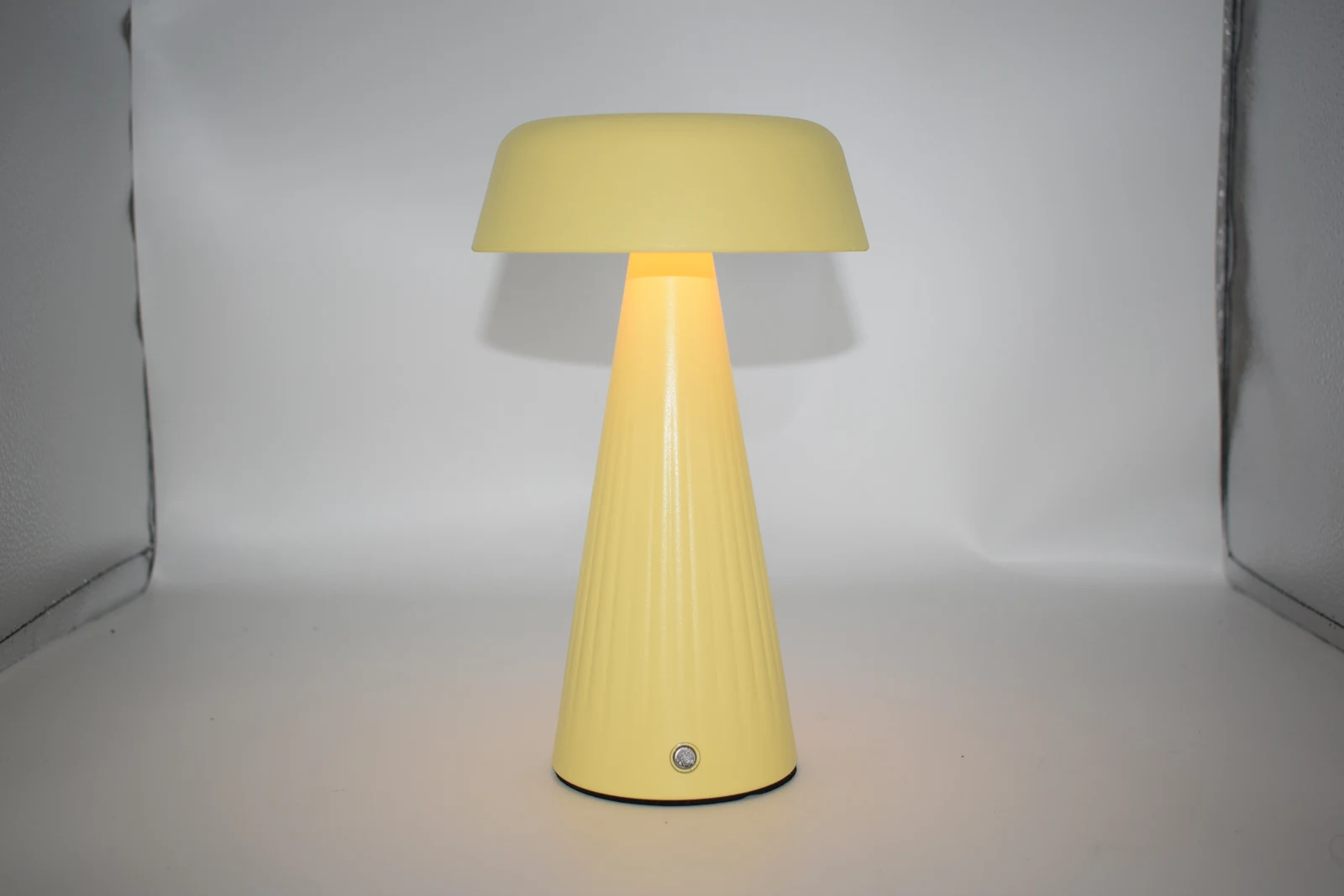
Frequently asked questions
Do these photos prove that the packaging passed transit testing?
No. They show real product samples. Request a packing trial and any required test evidence for the final package.
Can I reuse instructions from another mushroom lamp?
Only after verifying every relevant step and claim against the exact version supplied. A similar shape does not establish identical controls or charging requirements.
Does a smaller carton guarantee lower shipping costs?
No. Compare final protected dimensions, weight, destination and carrier charges.
What should I include in a packaging brief?
Send the target market, sales channel, selected product version, artwork direction and intended shipping workflow.
Request a sample and packaging review. Explore our lighting products or read our modular lamp ecommerce launch checklist for another collection-development approach.