
Before choosing a table lamp for an online collection, review the parcel—not just the assembled silhouette. A lamp that looks distinctive on a desk still needs to arrive with its finish protected, its components identified and its assembly steps easy to follow. For U.S. Amazon sellers and independent lighting brands, those decisions belong in the sample brief.
JianBian’s new 3D-printed modular table-lamp samples offer a useful starting point. The real photos show different lamp-head forms, colored bases and sectional connections. This guide explains what buyers should inspect before turning that concept into a retail collection. It does not promise a fixed shipping saving or universal compatibility between every component.
Watch the sectional design in real footage
The demonstration uses real product footage. Review the selected physical sample to confirm which parts are supplied and how they connect. Watch on YouTube.
1. Start with the customer and the room
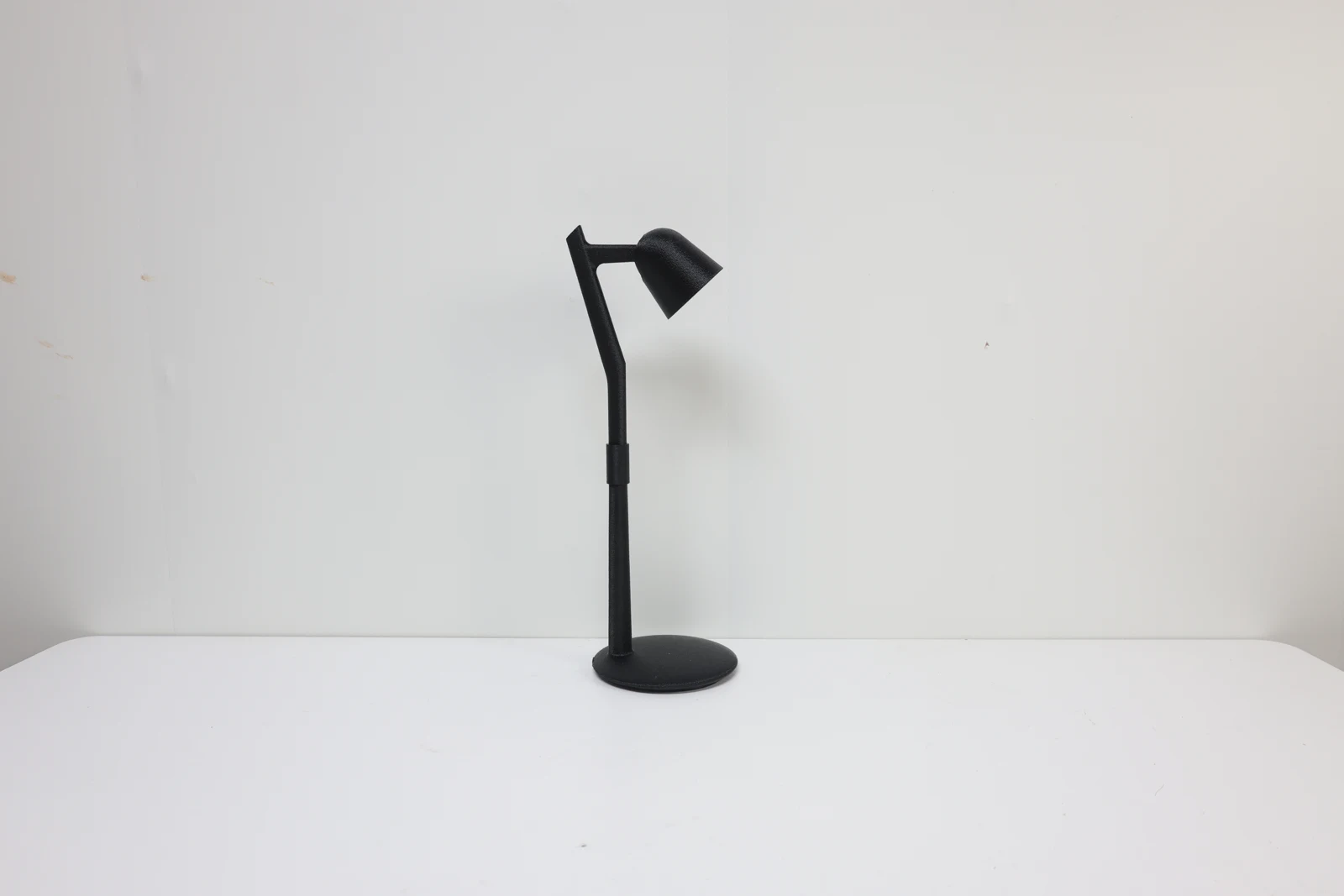
For a home-office collection, a buyer might explore the black directional-head sample and a restrained color palette. The evaluation should cover the actual light distribution, controls and placement beside a monitor. A directional silhouette alone is not evidence of a specific task-lighting performance.
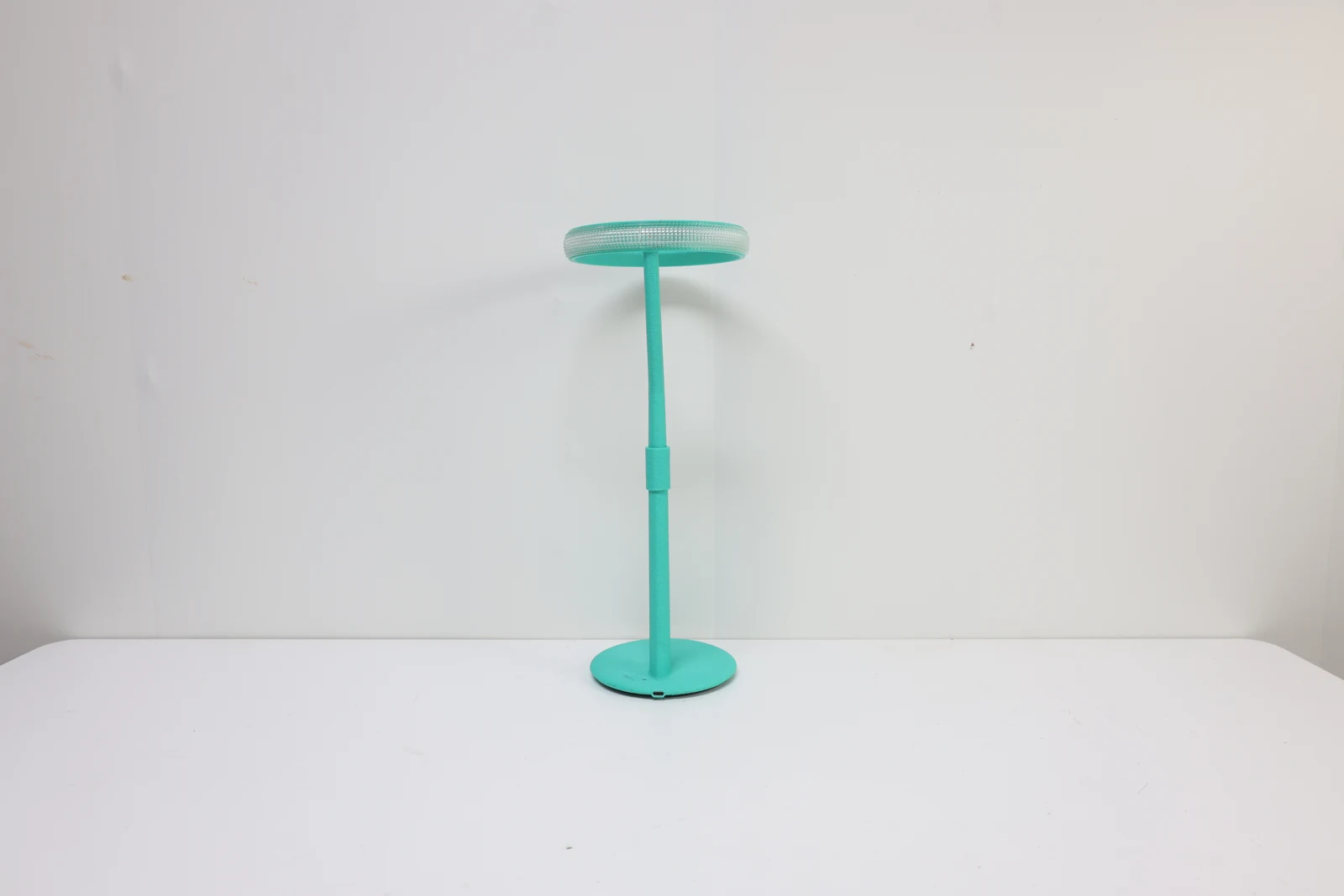
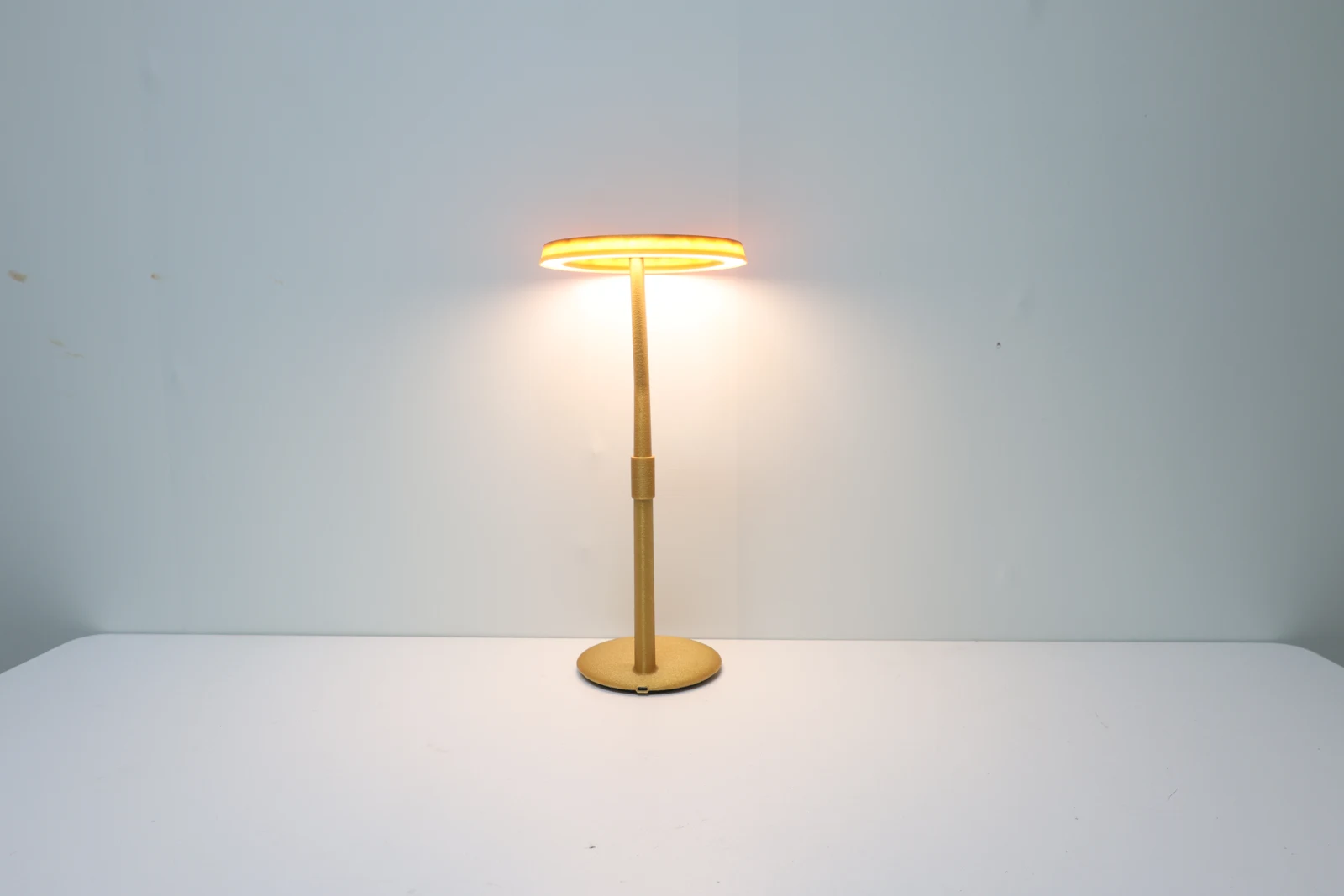
For a design-led bedroom or gift collection, the circular-head samples offer another visual direction. Yellow or teal can help build a playful merchandising story, while a quieter palette may suit a different audience. These are collection ideas, not claims that every pictured color is available in every model. Approve the exact color and configuration before producing listing images.
2. Check the connection before assuming interchangeability
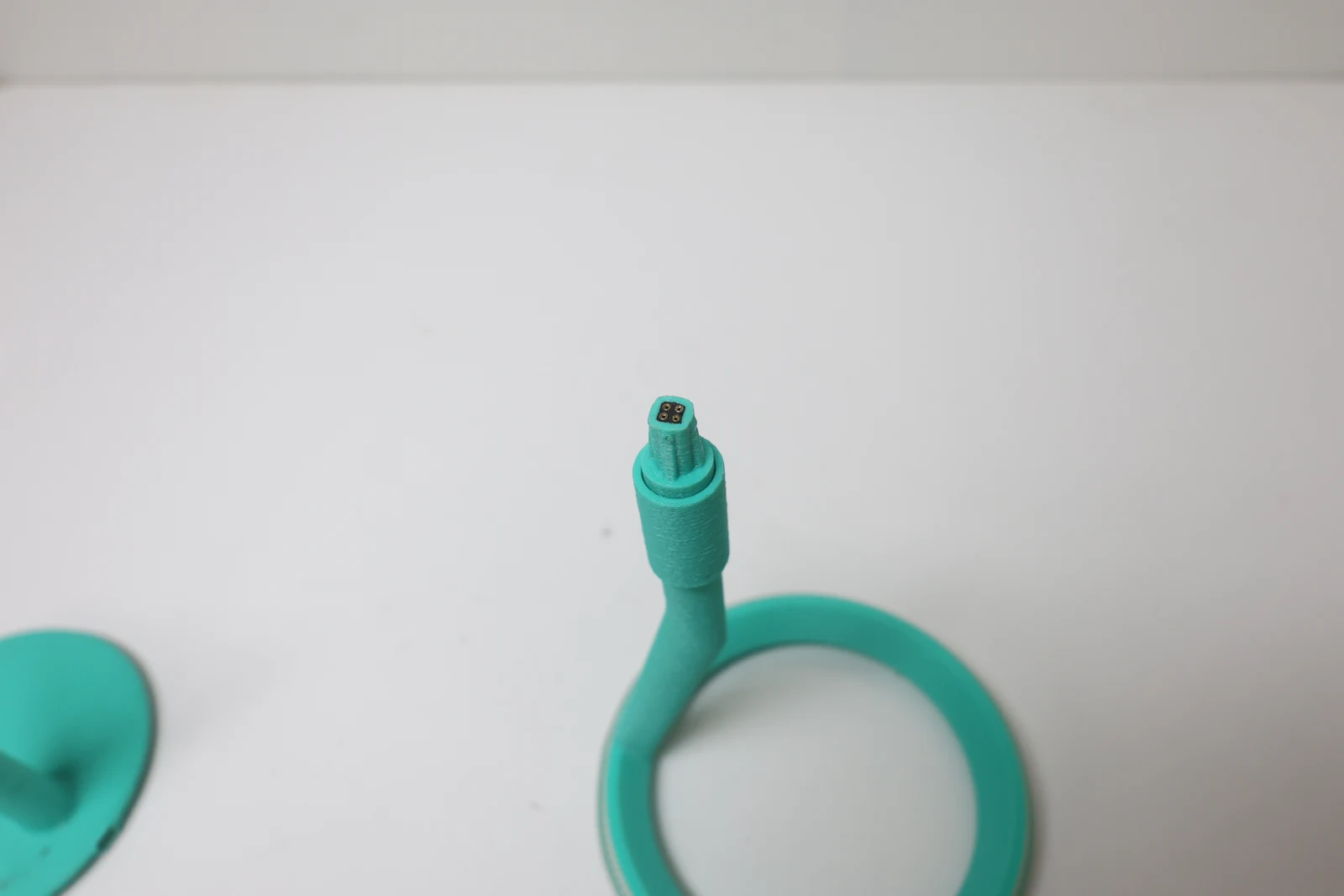
Ask to assemble and separate the exact combination proposed for your order. Check the joint alignment, orientation and stability, then confirm any electrical connection with the supplier’s instructions. A sample showing interchangeable pieces does not establish that every head works with every base. Record the approved combination in the specification and component checklist.
This is especially important when developing several colors or silhouettes. Keep a clear reference for each retail SKU so photography, assembly instructions and replacement-part discussions all identify the same version.
3. Compare the protected pack-out, not an empty carton
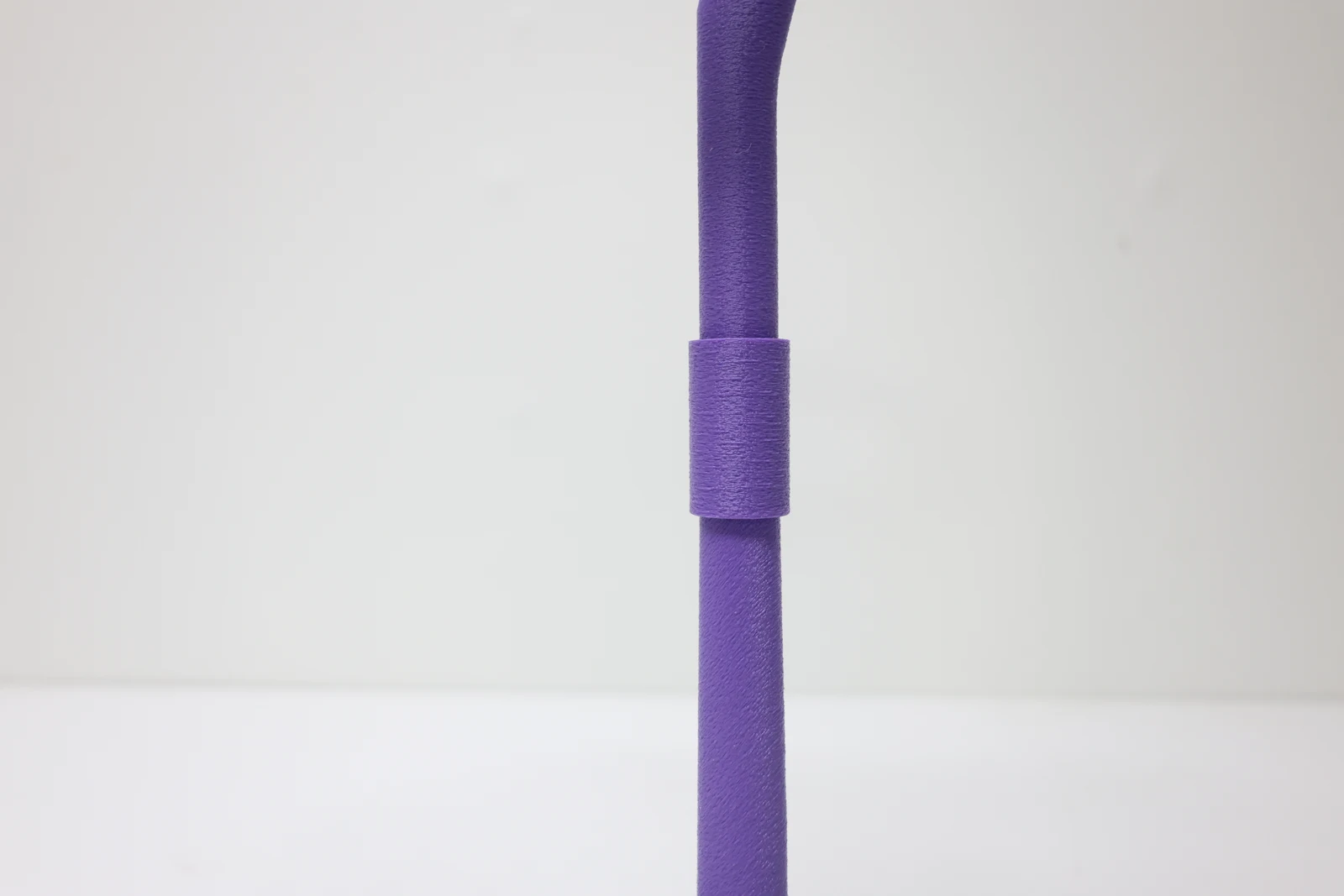
Sectional construction allows the tall assembled form to be reviewed as separated components. The goal is a compact packing arrangement suitable for ecommerce. However, the smallest possible box is not automatically the best package. Each part still needs protection against contact, movement and handling damage.
Measure the final closed carton with its protective inserts and all supplied accessories. Compare those measurements with the carrier’s dimensional-weight calculation and service limits for your route. Shipping savings depend on the finished package, destination and carrier quotation. Do not publish a percentage saving based on an unprotected mock-up.
For the current reference configurations BZ2026-05 through BZ2026-12, the supplied product sheet lists 18.5 × 29.5 × 18 cm packages and assembled heights of 40–41 cm. Those figures illustrate the packing concept; confirm the exact model and final approved package in your quotation. Review the collection’s model-specific reference dimensions.
4. Approve printed color and texture in person
For the selected printed finishes, color is incorporated during printing without an additional painting step. That is a specific production feature—not proof of an overall environmental footprint or certification. Review physical samples under consistent lighting and agree on acceptable color and texture before approval.
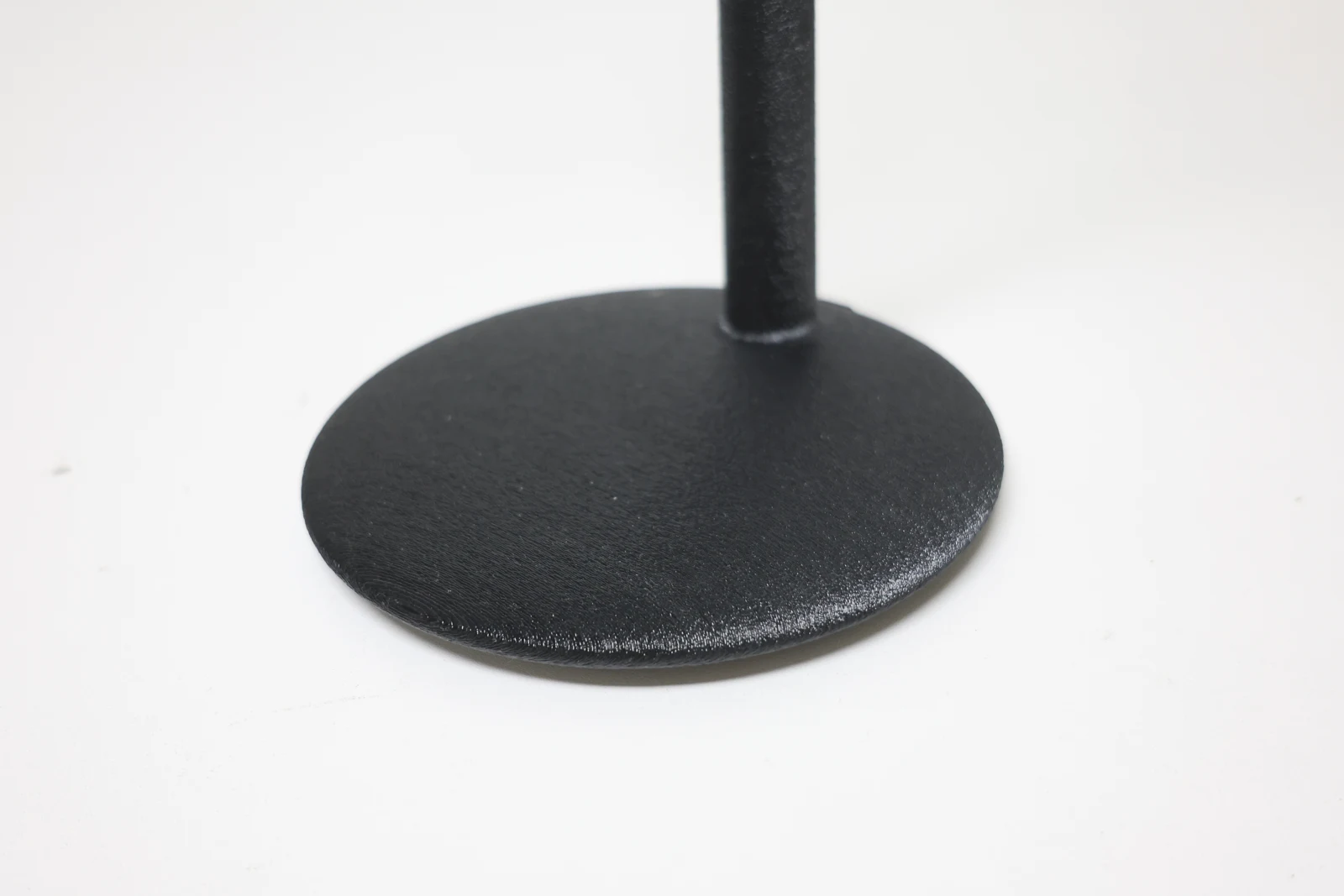
Printed surfaces have a visible character that should appear accurately in close-up listing photos. Avoid retouching away texture that the buyer will see on arrival. A sample approval should address the real finish and the presentation expectations for your brand.
5. Make the manual match the delivered kit
Use a numbered component list, clear assembly sequence and photographs of the approved version. Explain orientation and connection points without assuming the customer has seen your demonstration video. Electrical, charging, care and safety instructions must come from the exact configuration’s approved documentation, not another lamp in the collection.
Before launch, compare the kit, manual, carton label and listing side by side. Do they show the same parts and functions? Can a first-time user follow the sequence? This review connects the product design with the customer’s unboxing experience.
Frequently asked questions
Does a modular lamp guarantee lower freight costs?
No. Compare final protected carton dimensions and carrier charges for the intended destination.
Can every head and base be mixed?
Only use the approved combinations. Confirm mechanical and electrical compatibility for each selected version.
Is no painting the same as an environmental certification?
No. It describes a finishing step for selected parts. Broader environmental claims require separate evidence.
What should I send with a sample request?
Share your target customer, room, preferred silhouette, color reference and ecommerce packaging requirements.
Request a modular lamp sample and packing review. Explore our lighting products or read the private-label bedside lamp sample checklist for another buyer-review framework.