Jian Bian | Rechargeable & Cordless Lighting Manufacturer

Author: Jianbian Lighting

  • Mushroom Table Lamp Packaging and Manual Checks for Ecommerce Brands | JB-108

    Mushroom Table Lamp Packaging and Manual Checks for Ecommerce Brands | JB-108

    A good lamp listing can still lead to a poor customer experience if the package and instructions are treated as separate projects. For Amazon sellers and independent lighting brands, the unboxing process is part of the product. The lamp needs to arrive with its finish protected, its supplied parts accounted for and its instructions matched to the exact version in the box.

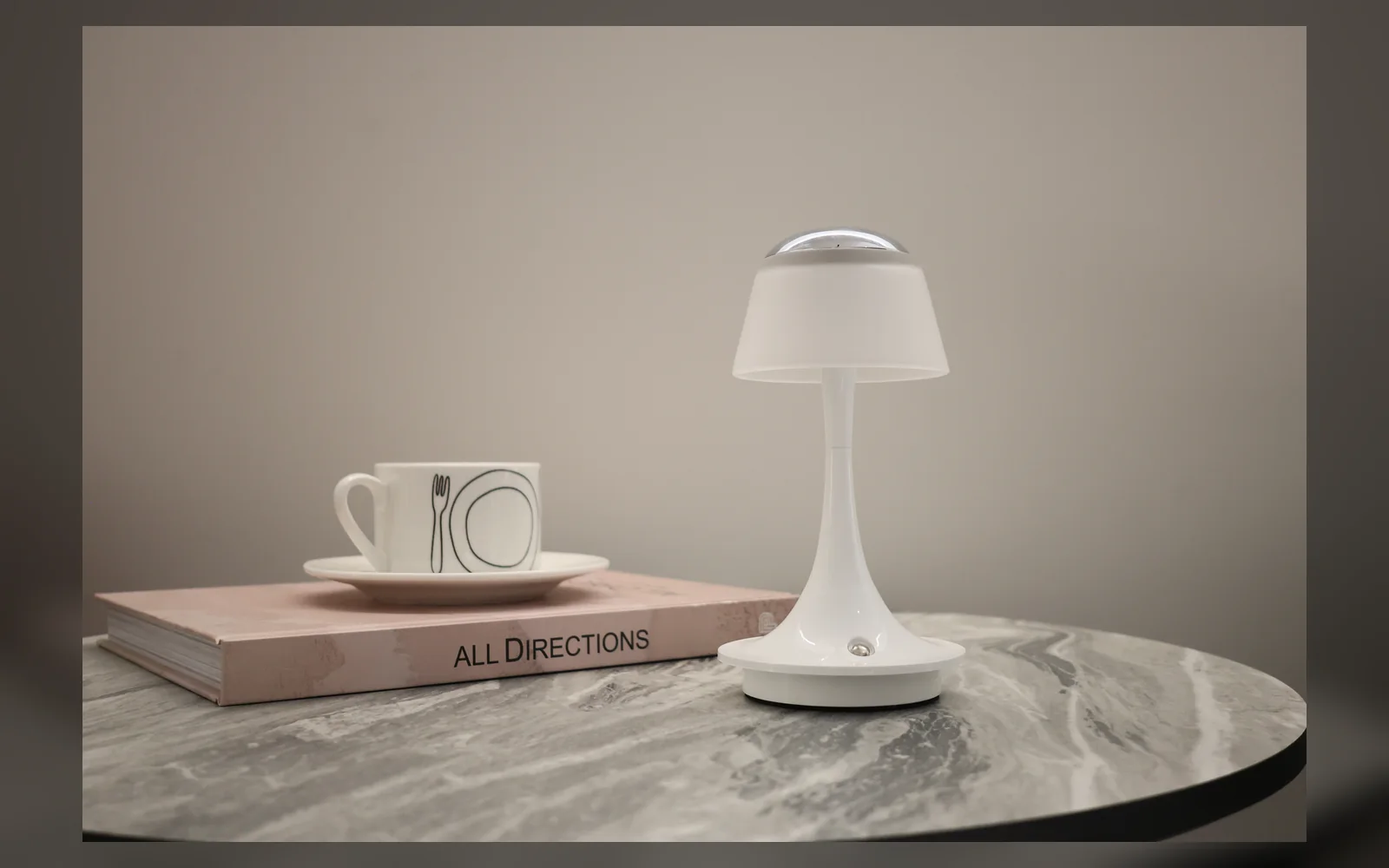
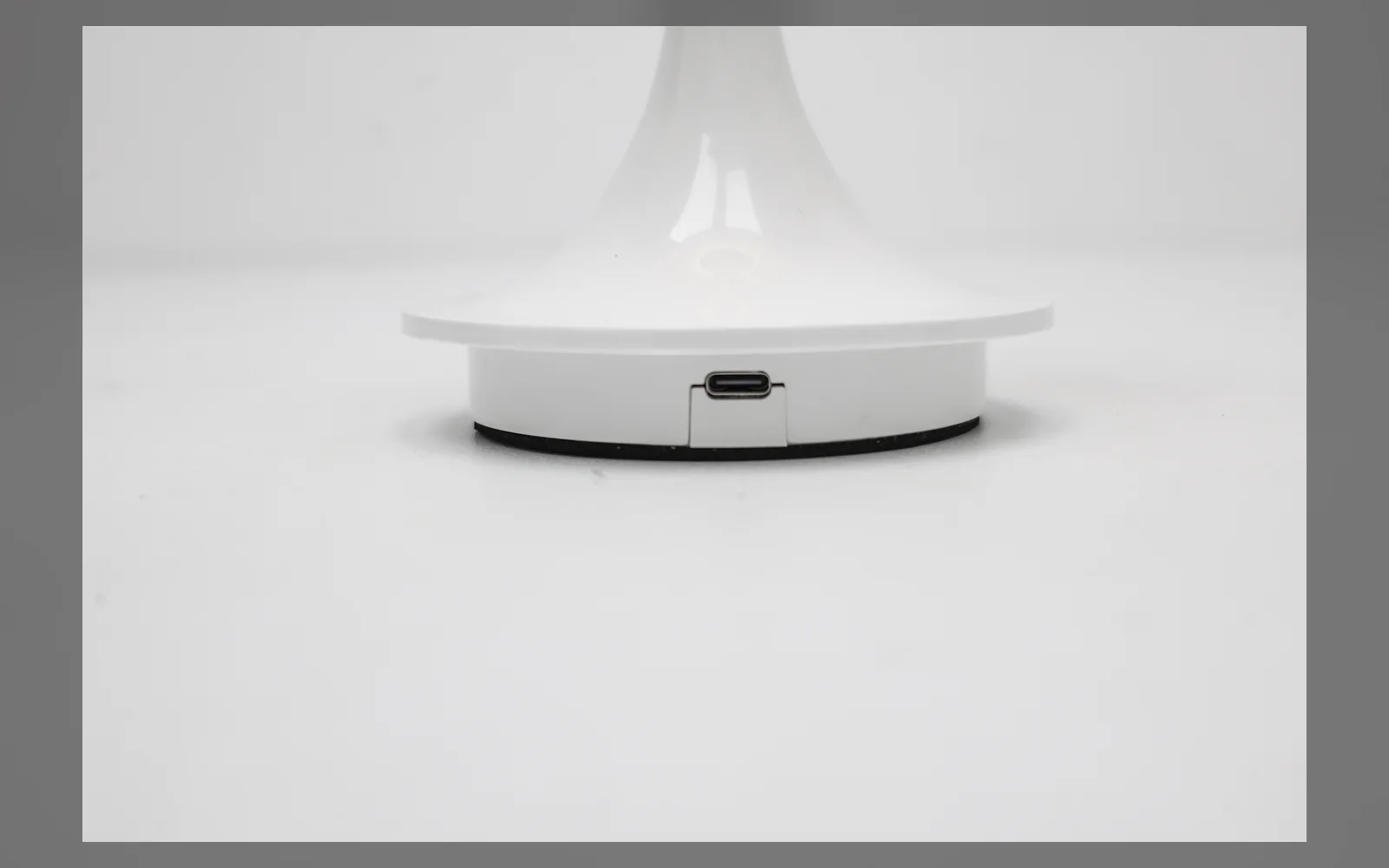
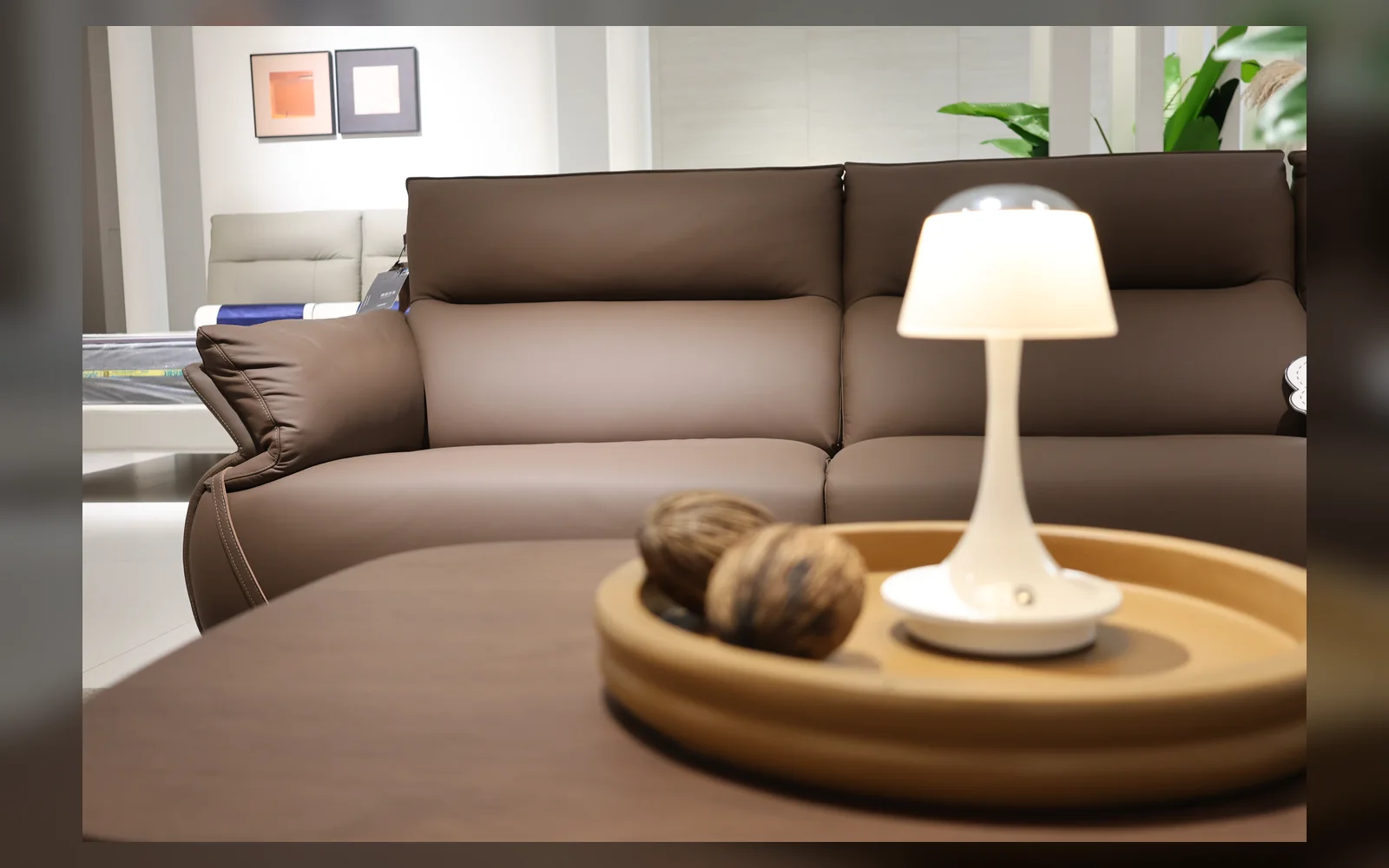
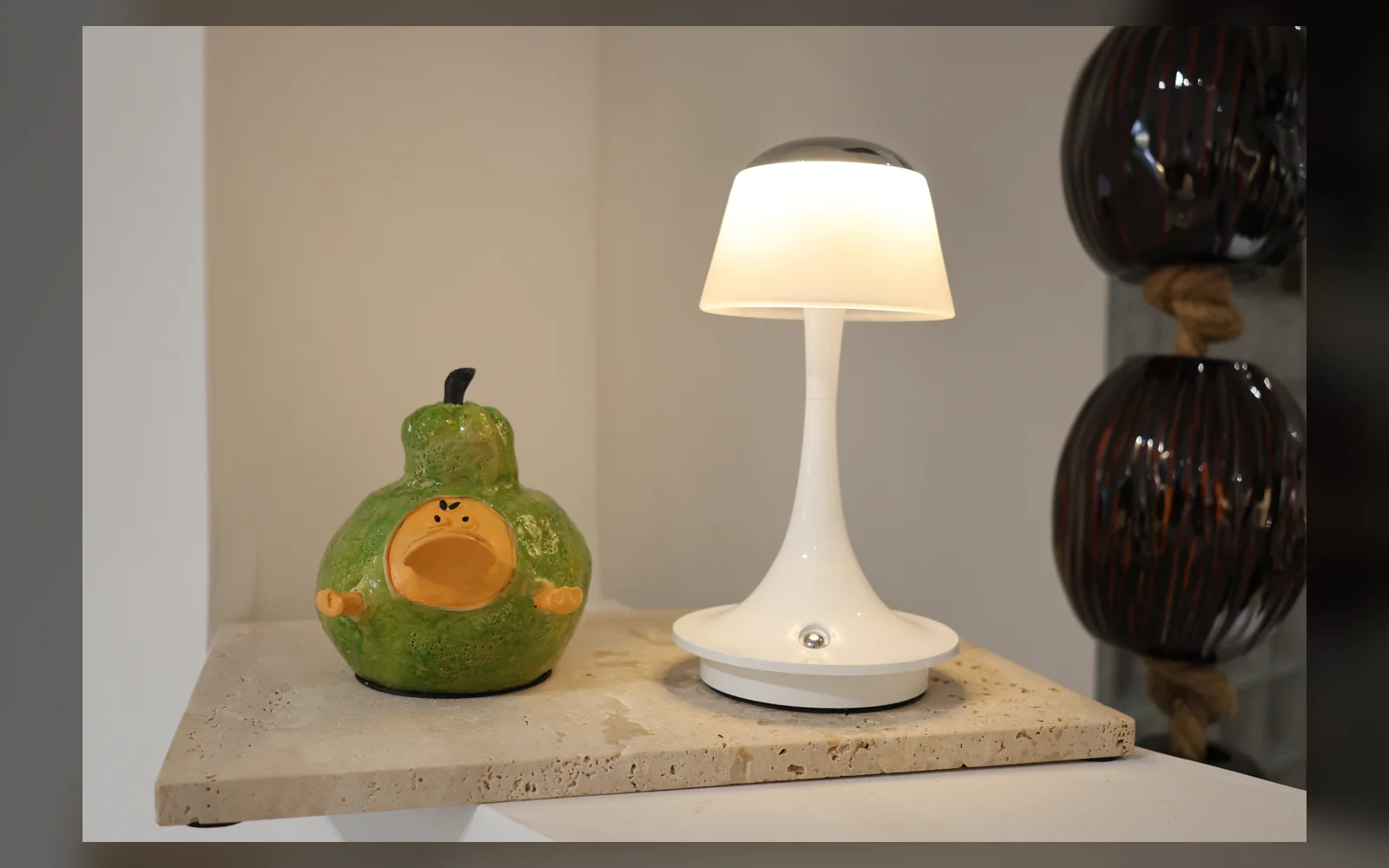
    These real JB-108 mushroom-lamp photos provide a visual reference for a packaging discussion. They show the lamp’s form and color presentation, not a completed transit test. This guide outlines what a buyer should request before approving a retail pack. It makes no claim that the photographed samples have passed a particular drop-test standard.
    Watch this video on YouTube

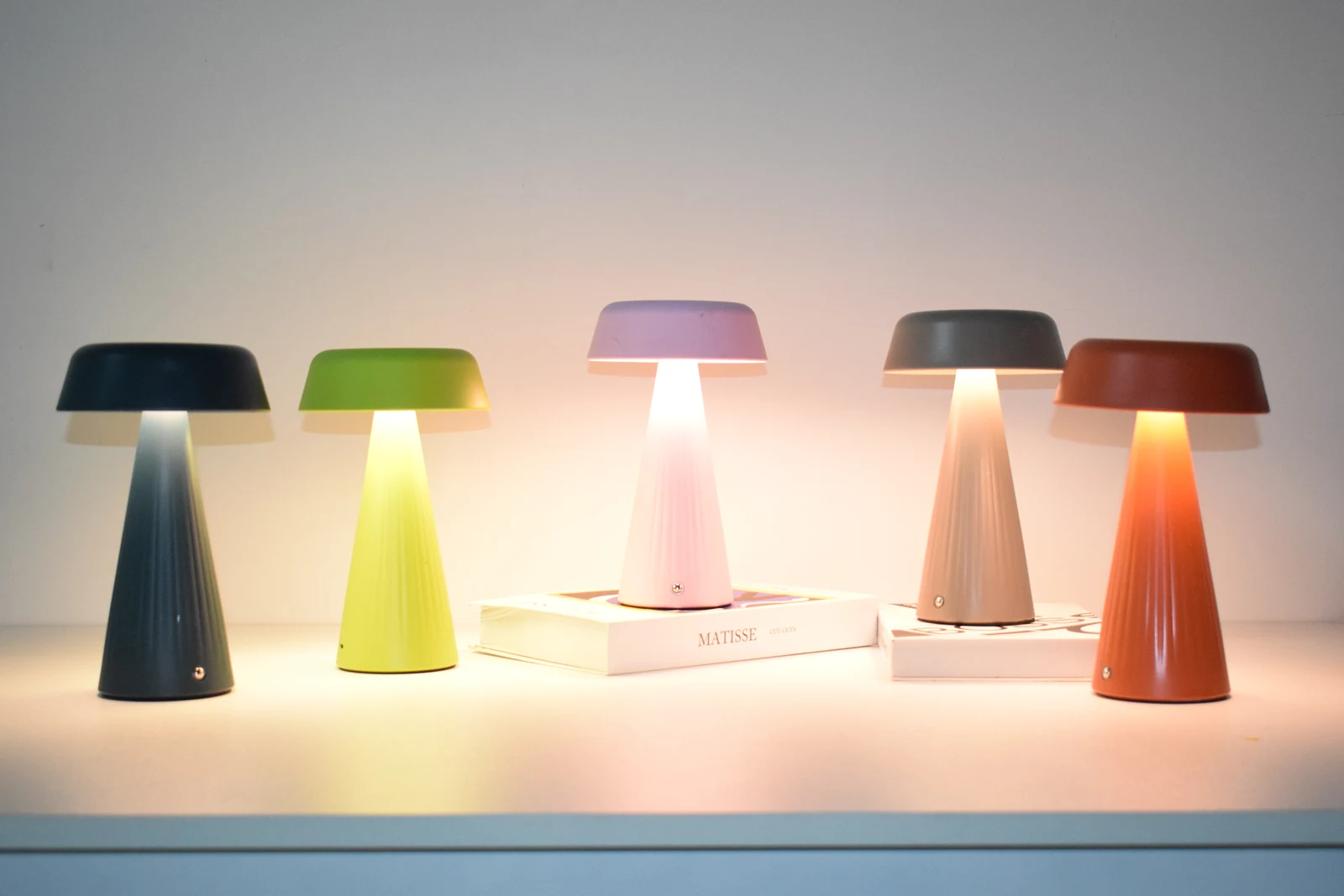
    Five mushroom table lamp samples in different colors shown illuminated
    Real sample photography: approve the product version before the retail pack.

    Begin with one approved product configuration

    Before a designer creates the carton artwork, write down the model, selected finish, supplied accessories and intended sales channel. A photograph of a similar lamp is not a component checklist. If your collection contains several colors or electrical versions, maintain a separate approval record for each retail SKU.

    For this collection, the current product record identifies the JB-108 mushroom form and distinguishes it from the JB-108M smart version. Do not copy app, voice-assistant or smart-home claims from one version to the other. Controls, charging instructions and compliance documents must match the version actually supplied. This article does not rely on a particular dimming method, battery runtime or waterproof rating.

    Green mushroom table lamp sample with a tapered fluted stem and rounded shade
    A clear reference photo helps identify the approved silhouette and finish.

    Map the surfaces that need protection

    Review the shade, stem and base as contact surfaces. Ask where each surface could rub against an insert, accessory or neighboring component. The right pack should restrain movement without creating pressure points that mark the finish. A small carton alone is not evidence of adequate protection.

    Use a packing trial with the actual sample and proposed materials. Photograph the open box, the placement of accessories and the closed carton. Ask the packing team to explain what holds each part in position. Do not infer transit performance from a product photo or a carton drawing.
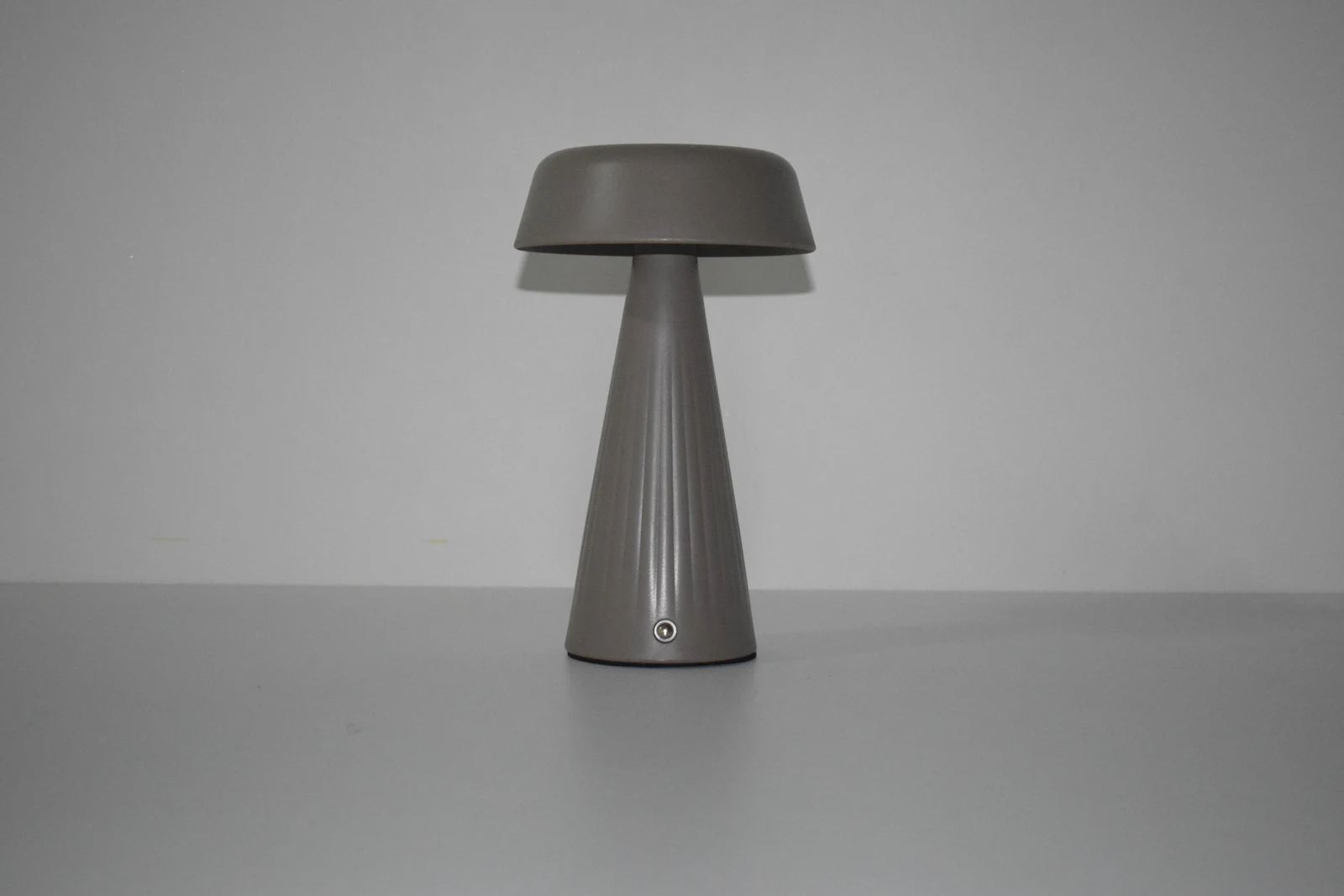
    Gray mushroom table lamp sample photographed against a neutral studio background
    Check visible surfaces against the approved sample before and after a packing trial.

    Separate product dimensions from the shipping package

    The assembled lamp, the individual retail box and the outer shipping carton are different measurements. Record them separately. Measure the final package with protective materials, accessories and documentation inside, then compare that finished configuration with the carrier’s rules for your intended service and route.

    For an independent store shipping one lamp at a time, the retail box may need an additional protective shipping carton. For an Amazon program, clarify whether the pack is intended for inbound logistics, storage or direct customer delivery. Do not assume that one box serves every stage. Check current platform requirements for your specific program before printing artwork or sending inventory.

    Write instructions around the first-time user

    A person opening the box has not attended your sample review. Begin with an illustrated contents list and a simple identification of the controls and connection points. Explain only the functions verified for that version. If a step requires a particular accessory or power source, use the approved specification rather than a generic instruction copied from another lamp.

    Ask someone unfamiliar with the sample to follow the instructions while you observe. Where do they hesitate? Are photographs oriented the same way as the product in their hands? Can they distinguish normal operation from a situation that requires help? Use that feedback to improve the manual before approval. This is a proposed usability review, not a claim that a user test has already been completed.
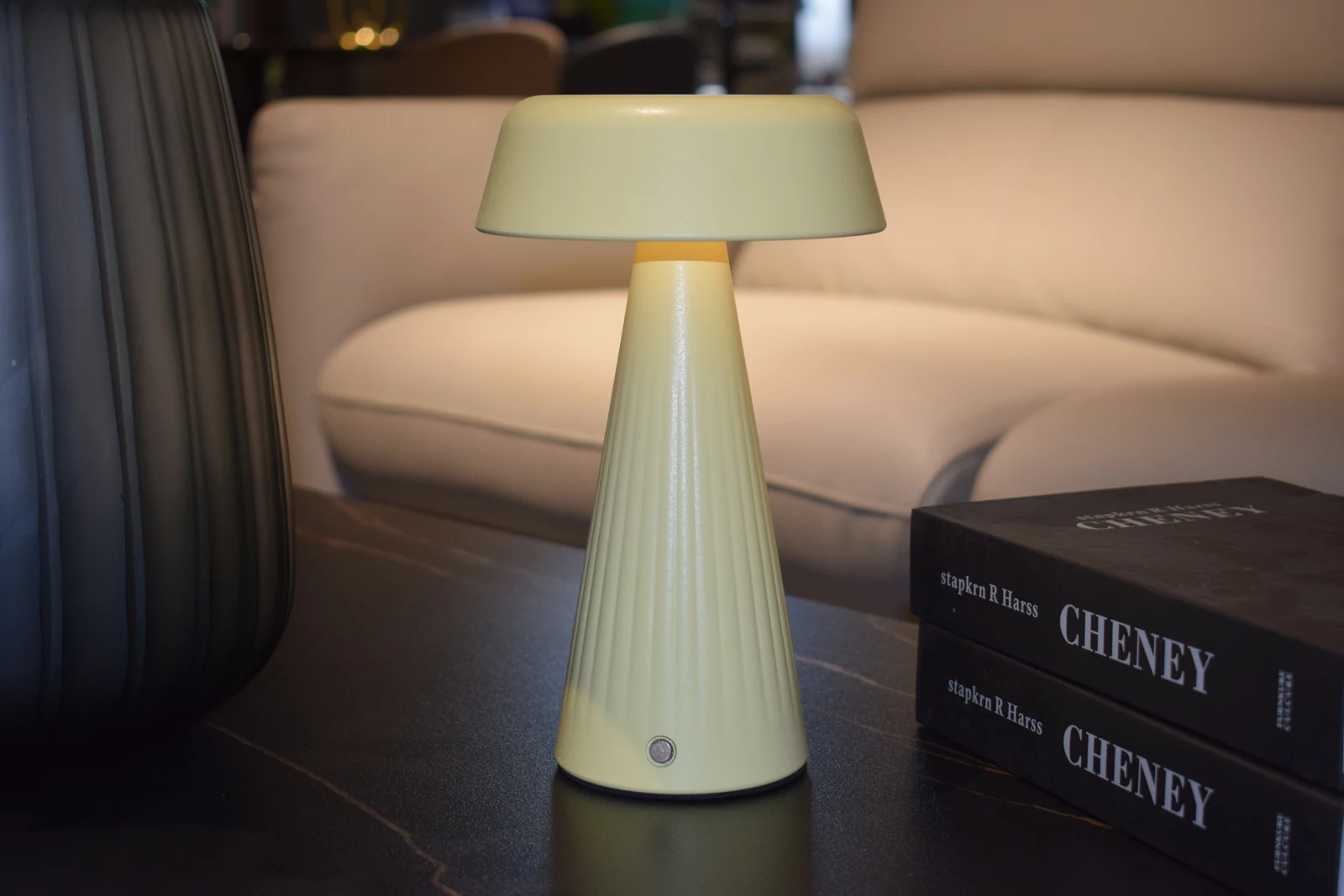
    Light-colored mushroom lamp sample displayed beside a sofa and a decorative book
    A home-setting photo supports merchandising, but it does not replace a clear instruction diagram.

    Make the listing and the box tell the same story

    For a bedside collection, a customer may respond to the lamp’s compact visual presence and soft room styling. For a hospitality buyer, the discussion may focus on how staff identify the correct version and follow its care and charging instructions. These are different audiences, but both benefit from consistent product information.

    Review the listing images, carton labels, manual and supplied kit together. A claim shown on the retail box should be supported by the same-model documentation. Keep certification, battery transport and destination-market labeling questions separate from decorative artwork; a designer should not invent technical statements to fill space.
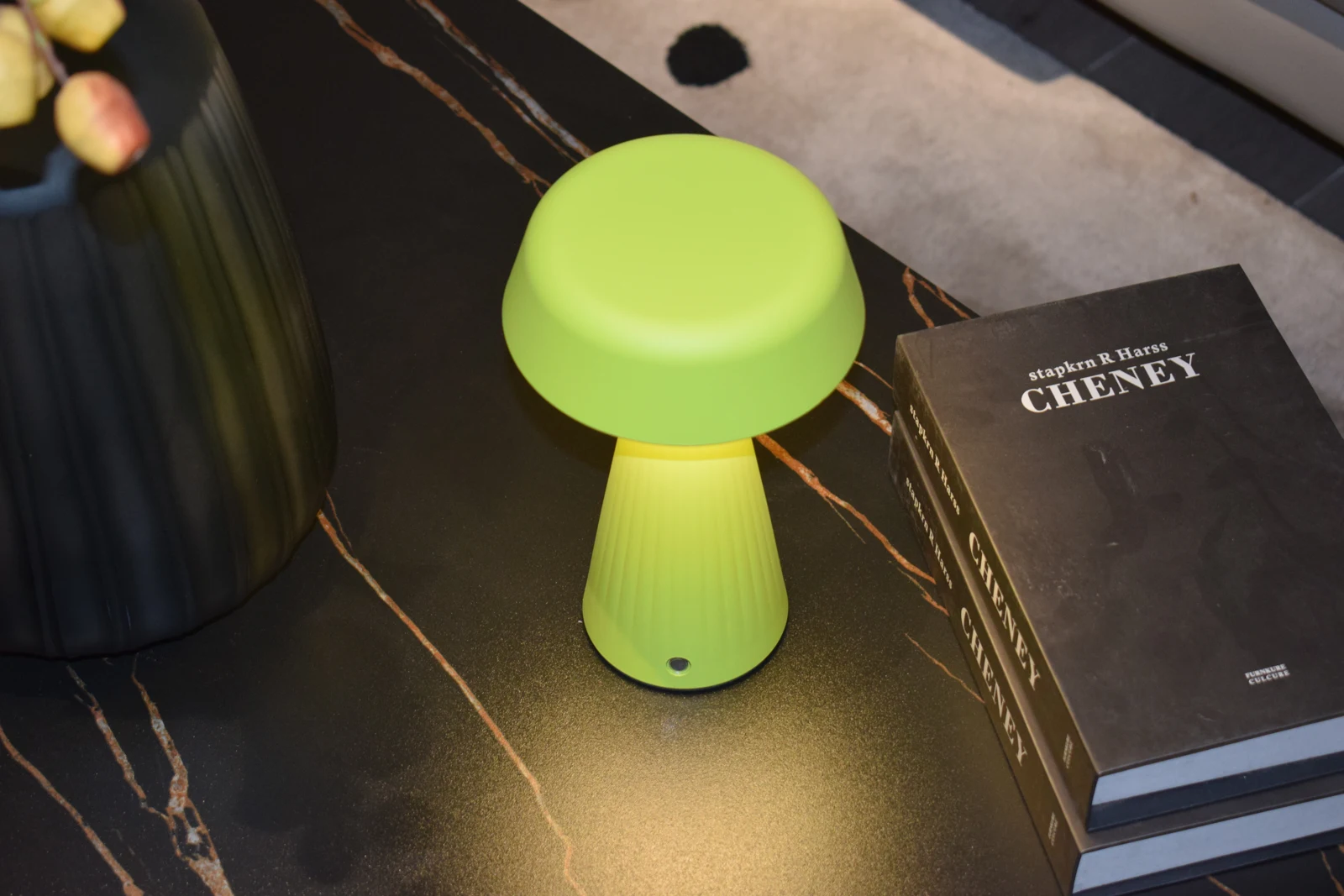
    Top view of a green mushroom lamp sample on a dark display table
    Use additional angles to clarify appearance without implying unseen functions.

    Create a repeatable approval record

    Retain the approved sample photos, component list, final artwork revision, manual revision and packing-trial record together. Record any changes before the next order, especially when a finish, accessory or control version changes. A reference sample is useful only when the production and listing teams can identify what it represents.
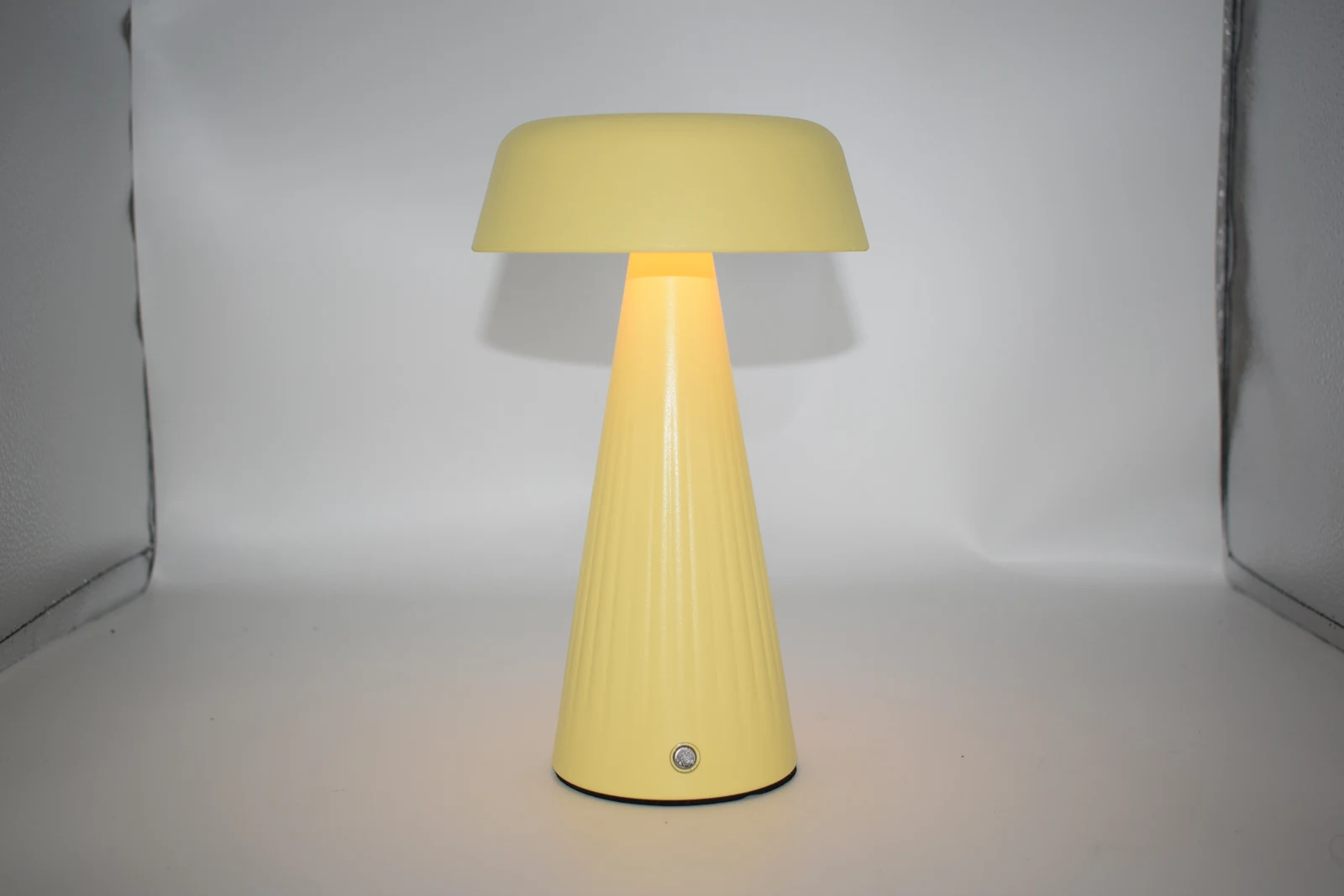
    Yellow mushroom table lamp sample photographed illuminated in the studio
    Keep the final selected finish and light-on presentation tied to the approved version.

    Frequently asked questions

    Do these photos prove that the packaging passed transit testing?

    No. They show real product samples. Request a packing trial and any required test evidence for the final package.

    Can I reuse instructions from another mushroom lamp?

    Only after verifying every relevant step and claim against the exact version supplied. A similar shape does not establish identical controls or charging requirements.

    Does a smaller carton guarantee lower shipping costs?

    No. Compare final protected dimensions, weight, destination and carrier charges.

    What should I include in a packaging brief?

    Send the target market, sales channel, selected product version, artwork direction and intended shipping workflow.

    Request a sample and packaging review. Explore our lighting products or read our modular lamp ecommerce launch checklist for another collection-development approach.
  • A Better Rechargeable-Lighting RFQ: Build a Model-Level Sample Approval Record

    Quick answer: give every rechargeable-lighting inquiry a named model, a defined configuration and an evidence record. Keep confirmed facts, quotation items and unresolved questions separate. This lets purchasing, sales, design and quality teams approve the same product instead of relying on different photographs or spreadsheet versions.

    Start with identity, not adjectives

    Record the model or project reference, the supplier’s public product link, the date of the specification and the sample identifier. Attach the actual product photographs or operating video. A description such as “premium transparent lamp” is not enough to distinguish revisions with different batteries, controls or charging arrangements.

    For example, the WN-CD12 page identifies a warm-white rechargeable candle system. The clear-optic RGBW lamp page describes a different ambient-light format. Their evidence, batteries and accessory assumptions must not be mixed simply because both are rechargeable.

    Use four sections in the approval record

    1. Product configuration: housing or finish, dimensions, light modes, battery specification, controls, charging interface and included accessories.
    2. Evidence: dated photographs, demonstration video, measured results with conditions, relevant documents and the physical reference sample.
    3. Commercial confirmation: quoted set quantity, MOQ, price basis, packaging, lead time and the agreed delivery requirements.
    4. Open issues: every conflict, missing value, required revision and person responsible for resolving it.

    A field without evidence should say “to be confirmed,” not receive a plausible value copied from a similar product. This is particularly important for adapter ratings, ingress protection, certifications, runtime and manufacturer identity. A distributor or sourcing relationship must not be silently described as manufacturing a specific product without supporting evidence.

    Resolve conflicts before final costing

    The WN-CD12 material illustrates a common problem: the written pack count and the demonstration count differ. That does not make the product unusable, but it prevents a reliable comparison until the quoted configuration is settled. Ask for a named set configuration and a photograph of its complete contents. Carry that same count into carton specifications, artwork and the purchase order.

    For the clear-optic lamp, the owner’s reference battery capacity is 2600 mAh. Keep that value linked to the final sample rather than applying it to every visually similar lamp. If a battery or light-mode revision is proposed, update the record and identify which earlier observations need to be repeated.

    Require test conditions alongside results

    A useful runtime entry includes the brightness, selected mode, charging equipment, charge duration, battery/sample condition, start time and agreed stopping point. A useful remote entry includes the room arrangement, distance, viewing direction and actual response. The timer and remote guide and charging-workflow guide provide separate operational checks.

    Keep demonstration, measurement and certification in different evidence categories. A product video can show appearance and control behavior; it does not establish compliance with a destination-market requirement. Request matching documents and have the responsible qualified party review their scope for your product and market.

    Make revisions visible to every team

    Assign a revision date to the approved record and describe any subsequent change in plain language. Attach the revised image or specification instead of relying on a message such as “same as before.” Make clear whether the change affects appearance only, the electrical configuration, packaging or the operating instructions. Do not mark a revised sample approved until the relevant checks have been completed.

    The final handover should identify what was approved, by whom, the remaining conditions and the next action. A quotation is not shipment inspection, and a successful sample demonstration is not evidence that an entire production order has been checked.

    Send an inquiry that can be answered

    Include your destination market, application, selected model, required quantity, target date, packaging channel and any mandatory evidence. Use the WN-CD12 configuration checklist or clear-optic evaluation guide when relevant. Contact Jian Bian Lighting with your model-level RFQ.

  • Clear-Optic RGBW Table Lamps: How to Evaluate Transparency and Light Quality

    Quick answer: evaluate a transparent lamp both unlit and illuminated, under controlled viewing conditions. Compare optical clarity, edge finish, visible joints, warm-white light, RGB behavior and magnetic attachment separately. A premium appearance should be supported by the sample, not by an unsupported price comparison with other products.

    Make “transparent” an observable requirement

    The Clear-Optic Magnetic RGBW Table Lamp is presented around a transparent appearance and soft ambient light. Those are visual characteristics to evaluate, not proof of a particular polymer, manufacturing process, patent or exclusive design right. Ask for the material specification and approved appearance criteria if these matter to your program.

    Inspect the sample against a light background and then a dark one. Look through the body from normal viewing angles. Record haze, visible distortion, scratches, particles, bubbles or joints where present. A photograph can document the observation, but the camera’s exposure and focus can conceal or exaggerate defects. Keep a physical reference sample when visual consistency matters.

    Compare like with like

    Use the same table, background, camera position and room lighting for candidate samples. Photograph each unlit first. Then compare a similar light setting. Do not compare one lamp at its brightest RGB setting with another at a low warm-white level and treat the result as a fair materials comparison.

    For an internal assessment, write down a specific observation such as “visible seam at this viewing angle” or “edge appearance differs from the approved reference.” Avoid turning that observation into an unsupported claim that every low-price competitor has inferior workmanship. A defensible sourcing decision connects price with the exact configuration, finish and acceptance evidence being quoted.

    Test warm-white and RGB modes individually

    Ask for a control map showing which warm-white, RGB and combined modes are available. Demonstrate each on the sample. Observe the light from seated eye level as well as from above, because direct visibility of a bright source and the appearance of illuminated edges can change with position. Record which surfaces emit light in each mode rather than assuming independently controlled zones.

    “Soft” is a useful buyer impression, but it is not a measured glare rating. Likewise, RGBW does not establish a specific color temperature, lumen output, color-rendering index or dimming curve. Request measured values where your project requires them, and keep unverified fields open in the approval record.

    Distinguish magnetic attachment from charging

    Check how the magnetic components align, how the lamp is removed and whether the connection remains stable during ordinary handling. Confirm the intended orientation and compatible base. Magnetic attachment does not automatically mean magnetic charging, universal compatibility or suitability for mounting on any metal surface. The approved instructions and sample determine the supported use.

    The product owner’s reference configuration is 2600 mAh. Ask for the final battery specification, charge method and a runtime result for each important light mode. Capacity alone is not a runtime guarantee. Do not infer an IP rating or wet-location suitability from a smooth enclosure or from an unverified statement in video footage.

    Build a premium-product evidence package

    Keep unlit and illuminated photographs, a short real operating video, the mode list, battery configuration, material declaration when available, packaging sample and a signed appearance reference. Separate confirmed features from requested changes. If a customization affects the diffuser, light path or battery, ask whether it requires a new sample approval rather than assuming the original approval still applies.

    For a contrasting ambient-light format, review the WN-CD12 rechargeable candle system; it serves a different workflow and should not be treated as an equivalent optical design. Request the current clear-optic sample and specification.

    This guide describes proposed buyer checks. It does not claim a completed laboratory comparison, exclusive manufacturing process, patent protection or third-party certification.

  • Planning a Rechargeable Candle Charging Workflow for Event Teams

    Quick answer: size a rechargeable-candle workflow around verified usable runtime, the available charging window and the confirmed number of candles per set. Keep a ready-to-use group separate from the group awaiting charging. Do not turn a headline battery-life figure into a guaranteed number of event shifts.

    Begin with one complete operating cycle

    Map the work from storage to setup, operation, collection, inspection, charging and the next setup. Identify who is responsible at each handover. This reveals practical questions that a product photograph cannot answer: where the charging base will sit, how staff know which candles are ready, and how incomplete sets are identified before an event.

    For WN-CD12, the listed charging base is 28 × 9.6 × 2 cm and the cable is 1 m long. Allocate access space around the base and confirm the power supply specification. Keep the workspace consistent with the manufacturer’s operating instructions; this article does not specify an electrical installation or a charging safety certification.

    Use runtime with its conditions attached

    The brief lists approximately 2–3 hours of charging and 30–40 hours of runtime. Before planning consecutive shifts, ask which light mode and brightness produced the runtime range. Check the sample at the actual chosen setting. Record a usable endpoint—such as the point where the light no longer meets the agreed visual requirement—rather than treating the final faint glow as usable service.

    A planning calculation can be written as verified usable hours divided by hours per operating session. That arithmetic is only a capacity estimate. It does not account automatically for incomplete charging, aging, storage time or variation between candles. Choose an operational reserve after observing the actual sample, rather than inventing a universal percentage.

    Do not assume what the charging base accepts

    A shared base is useful only when its capacity and contact arrangement match the ordered candles. The current WN-CD12 source materials show a pack-quantity discrepancy, so confirm the final number of candles and charging positions before counting sets. A USB-C cable does not establish compatibility with every adapter. Nor does the presence of a magnetic attachment on a different lamp mean that the products share a charging system.

    If you are comparing larger lamp fleets, review the separate JBTD-160 charging-trolley product. Treat it as a different system requiring its own compatible-lamp confirmation—not as a charger for WN-CD12.

    Create a visible handover routine

    1. Count the returned candles against the confirmed set record.
    2. Check the housings and charging contacts according to the supplied instructions; separate any unit needing review.
    3. Place the correct units on the correct charging base and check the indicated charging state.
    4. Record the charge window and inspect the full-charge indication. WN-CD12 is listed to extinguish its red indicator when full.
    5. Move the approved group to a clearly identified ready area and record any missing or unresolved unit.

    Do not instruct staff to open batteries, improvise adapters or continue using a damaged product. Request the relevant operating and service instructions for the final model. No wet-cleaning method or outdoor rating has been verified for the candle set in this guide.

    Verify control and scheduling together

    After charging, use the intended remote mode in the actual room. A timer setup is useful only if staff understand its cycle and cancellation behavior. The infrared remote and timer test gives a separate record for those checks. This keeps “charged,” “responds to the remote” and “passed the required operating session” as three distinct acceptance states.

    Send the event duration, number of placements, turnaround window and required spare-set strategy with your inquiry. Use the sample approval record to keep the agreed workflow attached to the ordered configuration. Discuss a sample-based charging plan.

  • How to Test an Infrared Candle Remote and Cycle Timer in a Real Room

    Quick answer: test the remote with the actual number of candles, the intended room arrangement and the planned brightness. Confirm both the first timer shutoff and the next cycle. A successful close-range demonstration does not establish reliable control across a furnished room.

    Write down the intended control behavior

    The WN-CD12 brief lists a 12-key infrared remote, a 5–8 m range, on/off, brightness increase/decrease, 2/4/6/8-hour cycle timing, breathing, steady, fast-flash and slow-flash modes. These names are a starting point for the test sheet. Confirm the supplied remote labels and instructions instead of assuming that every symbol has the same meaning across different lamp products.

    Agree what a passing result means. For example, the venue may require all candles on a particular row to change together, or it may need separate areas to remain unaffected. Whether that separation is supported is a question for sample testing, not an inferred feature of infrared control.

    Test placement before maximum distance

    Start with the sample nearby and unobstructed. Verify each key and record the visible response. Then move to the normal operating position. Use the actual table height, candle holder, glassware and decorative objects. Check multiple viewing directions and the longest realistic operating distance. Note missed commands and inconsistent responses instead of repeating a button press until the problem disappears from the record.

    The listed 5–8 m range does not guarantee every angle or obstruction. Include representative room lighting and daylight conditions. If staff must walk to a particular location to operate the set, put that requirement in the handover instructions. Do not describe the product as app-controlled, radio-controlled or independently addressable unless the exact supplied configuration supports that behavior.

    Use a mode-by-mode record

    • On/off: record whether every candle responds from the intended staff position.
    • Brightness: compare the visible change across the set and select the level used for runtime testing.
    • Steady and breathing: verify that the observed effect matches the sample approval description.
    • Fast and slow flashing: demonstrate separately and confirm whether the intended venue wants these modes enabled in normal use.
    • Power recovery: check what happens after switching off, recharging and restarting. Do not assume memory of the previous setting.

    Test the timer as a sequence

    For each required timer setting, record activation time, shutoff time, the next restart time and any manual intervention. “Cycle timer” alone does not establish the full schedule, cancellation behavior or reset behavior. Ask the supplier to explain those details in the instructions, then compare the explanation with the sample.

    If you only observe the initial shutoff, label the record “first shutoff checked; repeat cycle pending.” Do not report an 8-hour or repeated-cycle test as passed after a short demonstration. A timed observation requires the actual elapsed period. If the business needs only one setting, make that setting the initial approval priority while recording the remaining settings as untested.

    Keep remote testing separate from battery acceptance

    A candle that responds to the remote may still have insufficient remaining charge for a full service period. Charge and label the samples before the test. Repeat the selected operating mode over the intended shift and record visible dimming or uneven performance. For the listed charging and runtime ranges, use the WN-CD12 configuration checklist and charging-workflow guide.

    Leave the team a usable result

    Keep a short room sketch, remote photograph, selected settings, approved operating position and dated observations. Record what was tested and what remains pending. Add the result to the sample approval record so the purchasing team and venue staff are discussing the same configuration.

    Request the current remote instructions and sample configuration. This guide proposes a test procedure; it does not claim that these tests have already been performed.

  • WN-CD12 Rechargeable Candle Set: A Buyer’s Configuration Checklist

    Quick answer: approve WN-CD12 as a complete candle, charging-base, remote and packaging configuration—not from a single attractive video frame. The current brief provides useful dimensions and operating ranges, but final candle quantity, test conditions and destination-market documentation still need written confirmation.

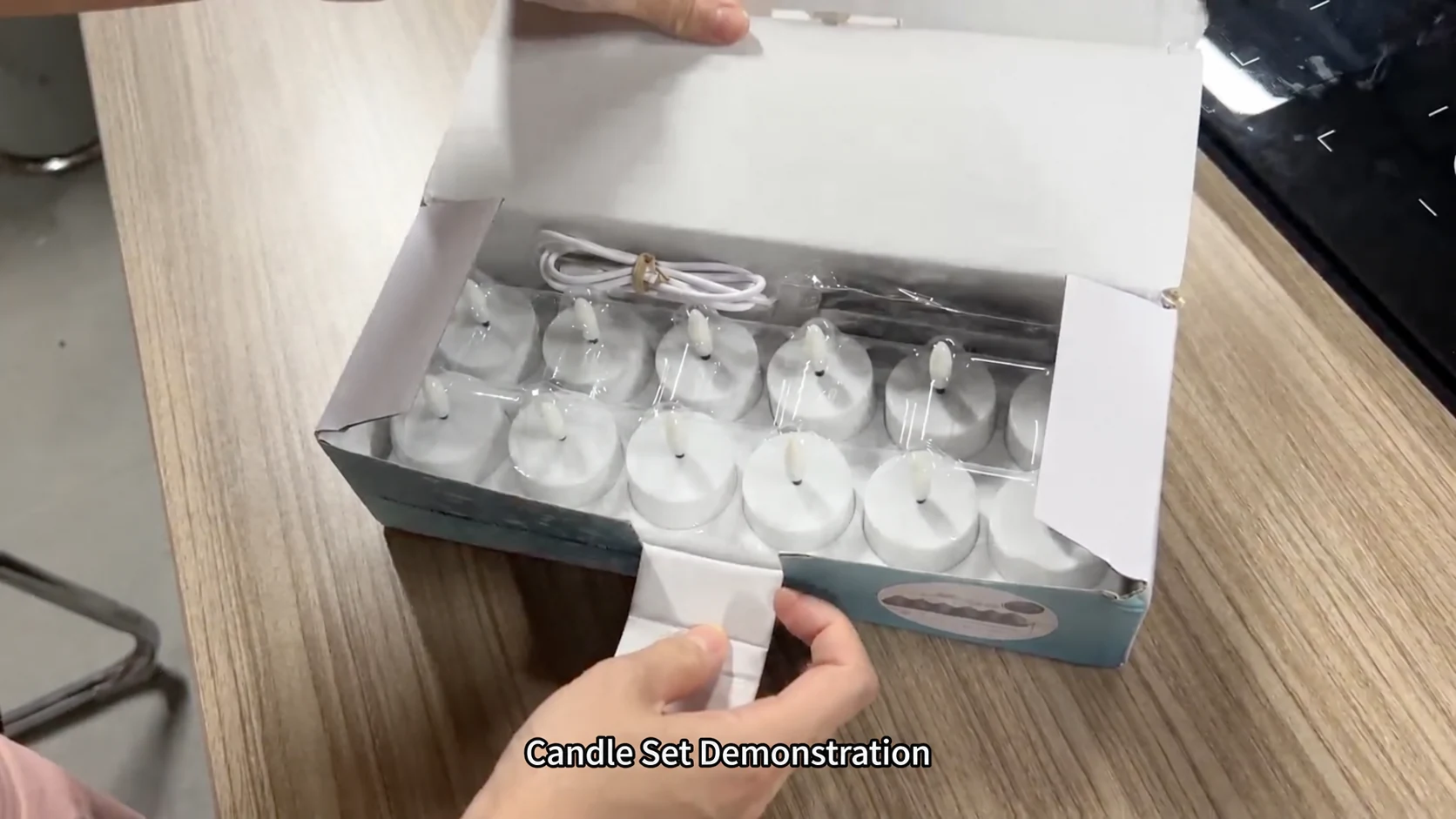
    Actual WN-CD12 candle set shown in the supplied product demonstration
    Real demonstration still. The displayed sample does not settle the final order quantity.

    1. Define what the set must do

    Start with the application: restaurant tables, an event setup, a retail gift pack or a home-decor range. Record the number of illuminated positions, the operating hours per session and who will collect and recharge the candles. Warm ambience and operational convenience are separate acceptance questions. A set can look suitable in a photograph while its charging or remote-control workflow does not suit the venue.

    The WN-CD12 product page lists white housings, warm-white light and a shared charging base. Do not treat that description as a task-lighting specification: no verified lumen output, color-rendering value or exact color temperature is supplied in the current brief.

    2. Match the dimensions to the placement

    The listed candle is 4 cm in base diameter and 5.5 cm high. The charging base is 28 × 9.6 × 2 cm; the individual box is 28.5 × 11 × 7.5 cm. Check the sample on the actual table or display, including sightlines, proximity to glassware and the space needed to remove each candle from its position. Measure the charging shelf as a working area, not simply as a rectangle that fits the base.

    A 1 m USB-C cable is listed. Confirm the power adapter and input requirements separately. A cable connector alone does not establish the supplied adapter, charging protocol or electrical configuration.

    3. Turn runtime into a reproducible check

    The current brief lists a 180 mAh battery per candle, approximately 2–3 hours of charging and approximately 30–40 hours of operation. These are listed values, not a test report attached to this article. Ask which brightness, light mode, battery condition and charging equipment produced the figures. Repeat the check at the setting your buyer will actually use, and write down the start time, stop rule and observed result.

    The red charging indicator is listed to turn off at full charge. Verify that behavior on the approved sample and ask for operating instructions. An indicator going dark is not, by itself, proof of every battery-protection function.

    4. Resolve the pack quantity before costing

    The written source lists six candles, while the supplied demonstration shows a different quantity. This discrepancy must remain visible in the approval process. Do not calculate unit cost, carton coverage or event capacity using an assumed count. Require a quotation that names the number of candles, one remote, the cable, manual and charging base, then compare it with the sample and packaging artwork.

    The current carton brief lists 64 × 62 × 47.5 cm and 72 sets per carton. Reconfirm these values for the final configuration before requesting freight pricing. Neither a box measurement nor a video establishes packed weight, pallet layout or container loading quantity.

    5. Separate demonstrated features from missing evidence

    The 12-key infrared remote offers listed brightness, timing and light-mode functions. Use the room-test checklist to verify them. No verified IP rating is provided here, so do not approve wet-location or outdoor use by appearance. Likewise, certification logos or comments in footage cannot replace documents matching the model, battery, charger and destination market.

    What to send with your inquiry

    Send the destination market, intended application, expected order quantity, required candle count per set, packaging preference and delivery target. Add your runtime setting and sample acceptance criteria. Price, MOQ, customization, lead time and supporting documents should be confirmed in the written quotation.

    Next: plan the charging workflow, then use a model-level approval record. Request a WN-CD12 sample and quotation.

    Evidence basis: current WN-CD12 product brief and supplied demonstration, reviewed for this guide. Proposed checks are buyer acceptance steps, not claims that laboratory testing has already been completed.

  • 3D-Printed Modular Table Lamps: 5 Checks Before an Ecommerce Launch

    3D-Printed Modular Table Lamps: 5 Checks Before an Ecommerce Launch

    Before choosing a table lamp for an online collection, review the parcel—not just the assembled silhouette. A lamp that looks distinctive on a desk still needs to arrive with its finish protected, its components identified and its assembly steps easy to follow. For U.S. Amazon sellers and independent lighting brands, those decisions belong in the sample brief.

    JianBian’s new 3D-printed modular table-lamp samples offer a useful starting point. The real photos show different lamp-head forms, colored bases and sectional connections. This guide explains what buyers should inspect before turning that concept into a retail collection. It does not promise a fixed shipping saving or universal compatibility between every component.

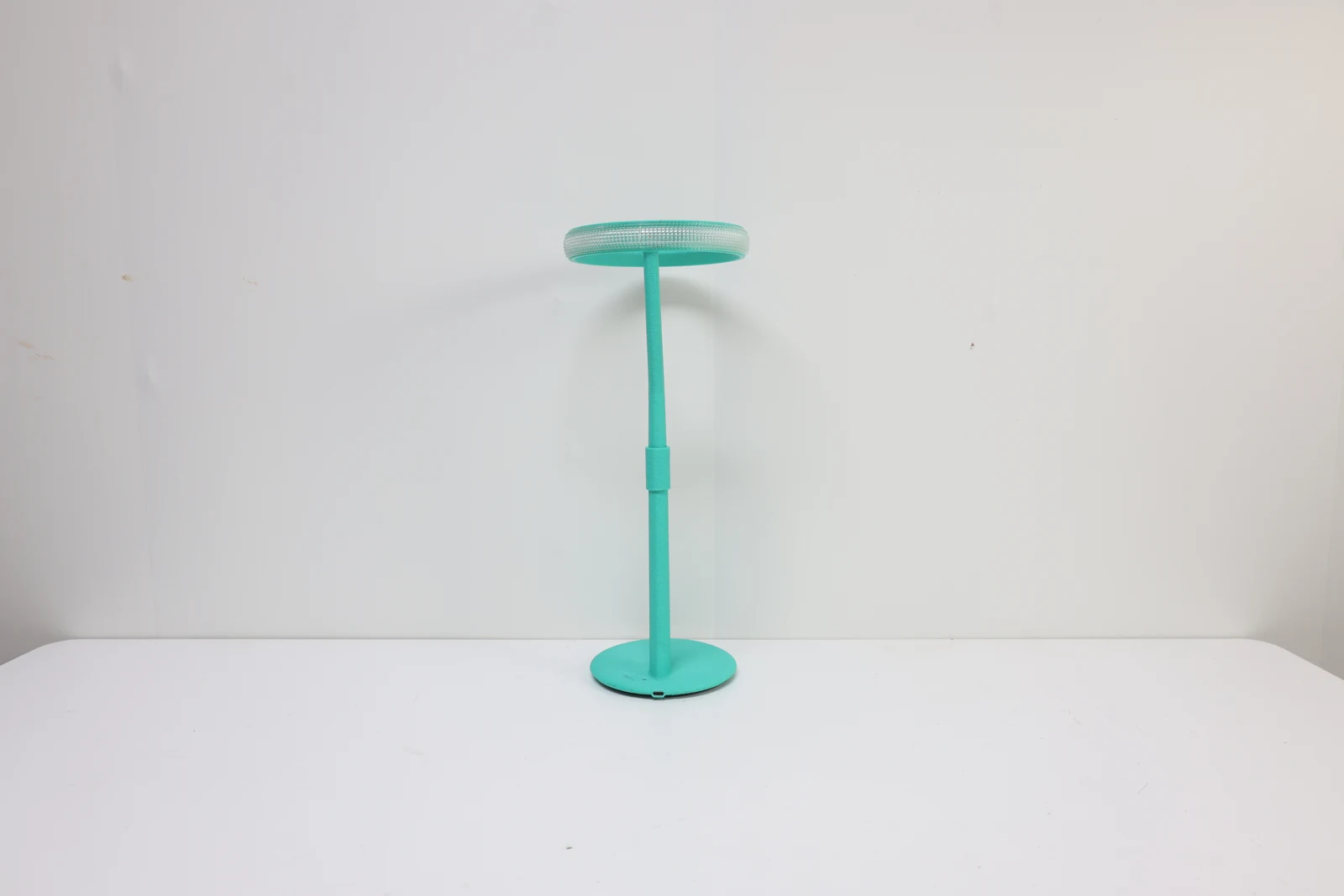
    Teal circular-head 3D-printed modular table lamp sample on a studio backdrop
    Real sample: approve the assembled appearance and the packing plan together.

    Watch the sectional design in real footage

    The demonstration uses real product footage. Review the selected physical sample to confirm which parts are supplied and how they connect. Watch on YouTube.

    1. Start with the customer and the room

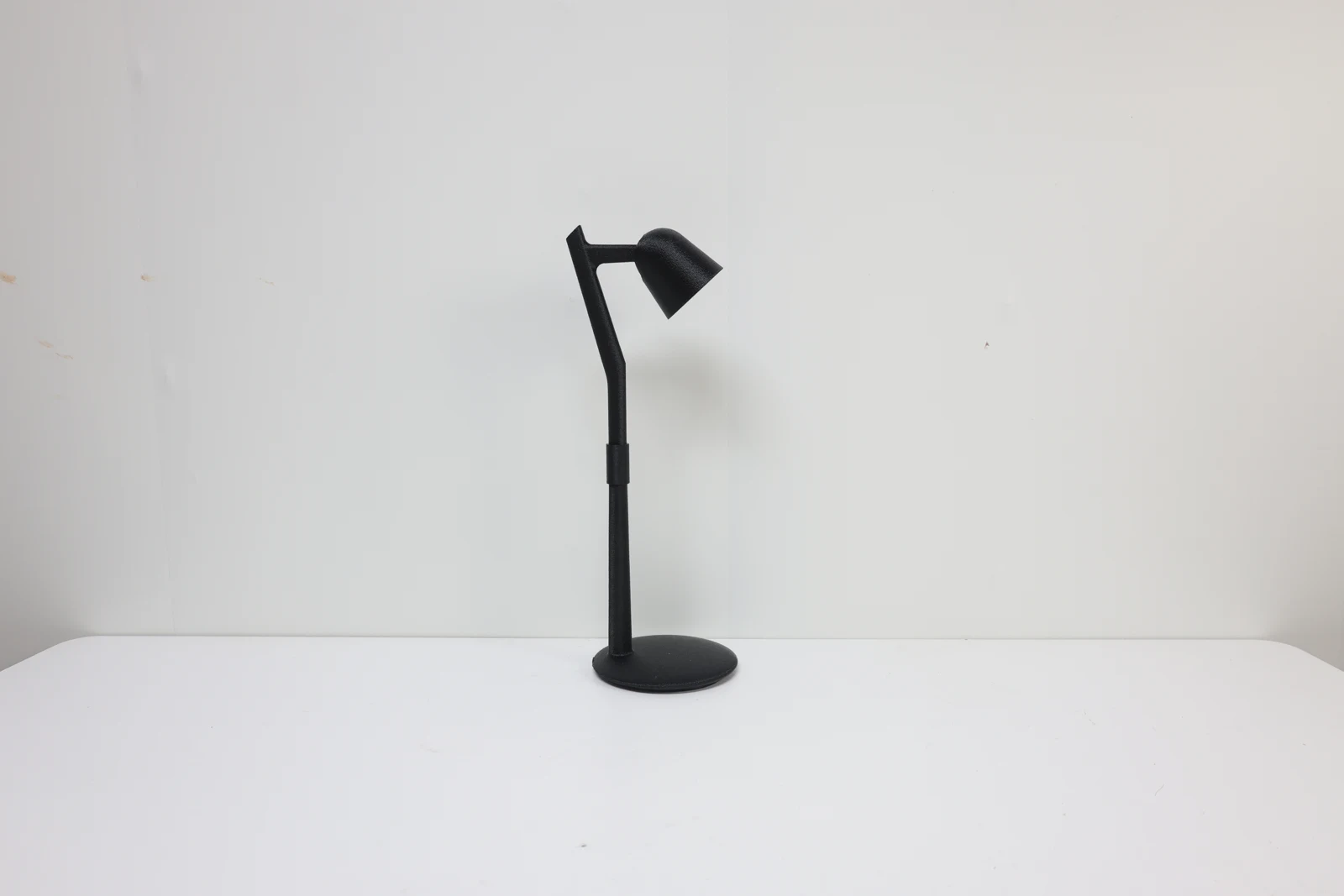
    For a home-office collection, a buyer might explore the black directional-head sample and a restrained color palette. The evaluation should cover the actual light distribution, controls and placement beside a monitor. A directional silhouette alone is not evidence of a specific task-lighting performance.

    For a design-led bedroom or gift collection, the circular-head samples offer another visual direction. Yellow or teal can help build a playful merchandising story, while a quieter palette may suit a different audience. These are collection ideas, not claims that every pictured color is available in every model. Approve the exact color and configuration before producing listing images.

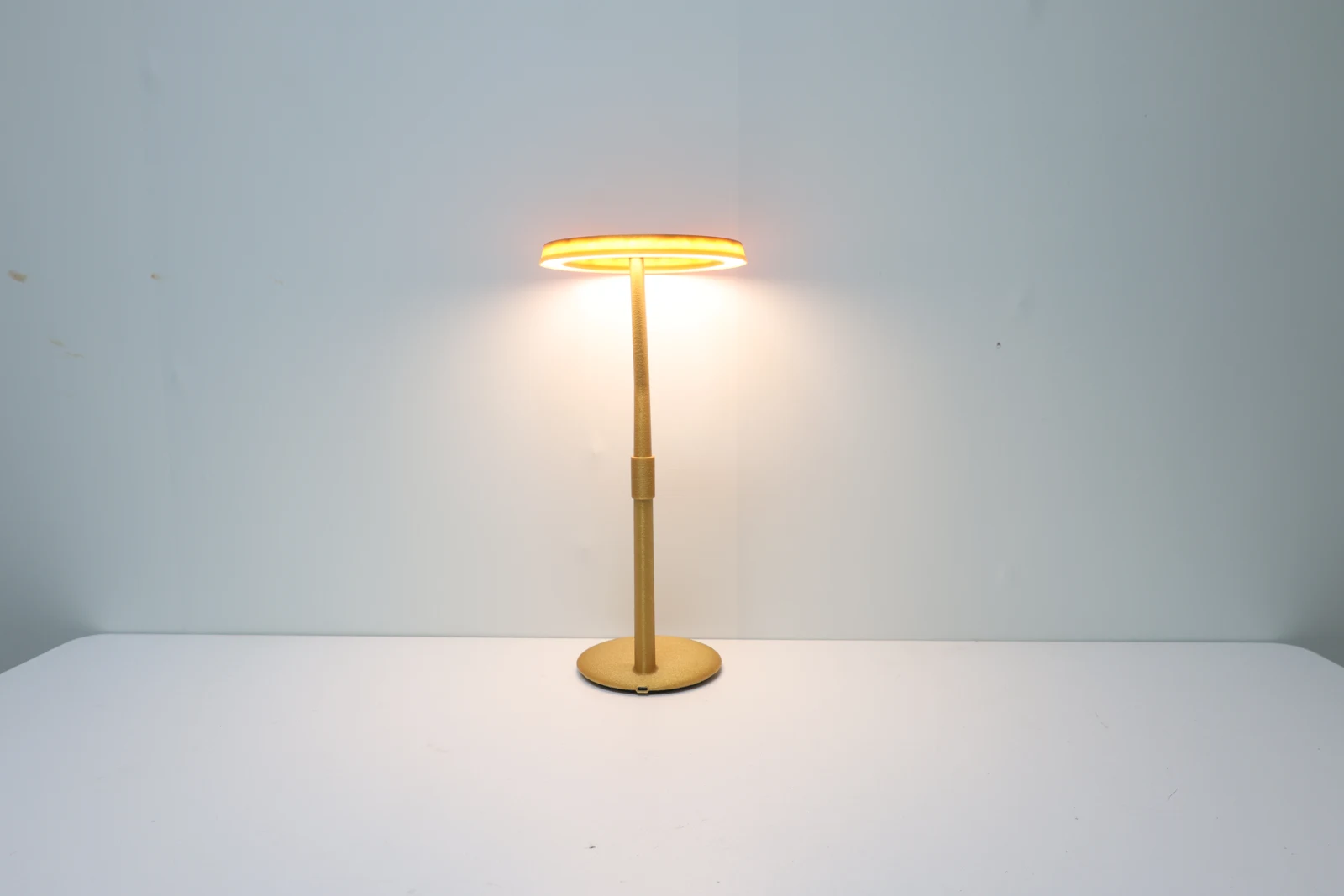
    Yellow circular-head printed table lamp sample illuminated during studio photography
    Use light-on and light-off photography to show the approved sample honestly.
    Black modular table lamp with a directional head and round base
    Different head forms can support distinct collection briefs.

    2. Check the connection before assuming interchangeability

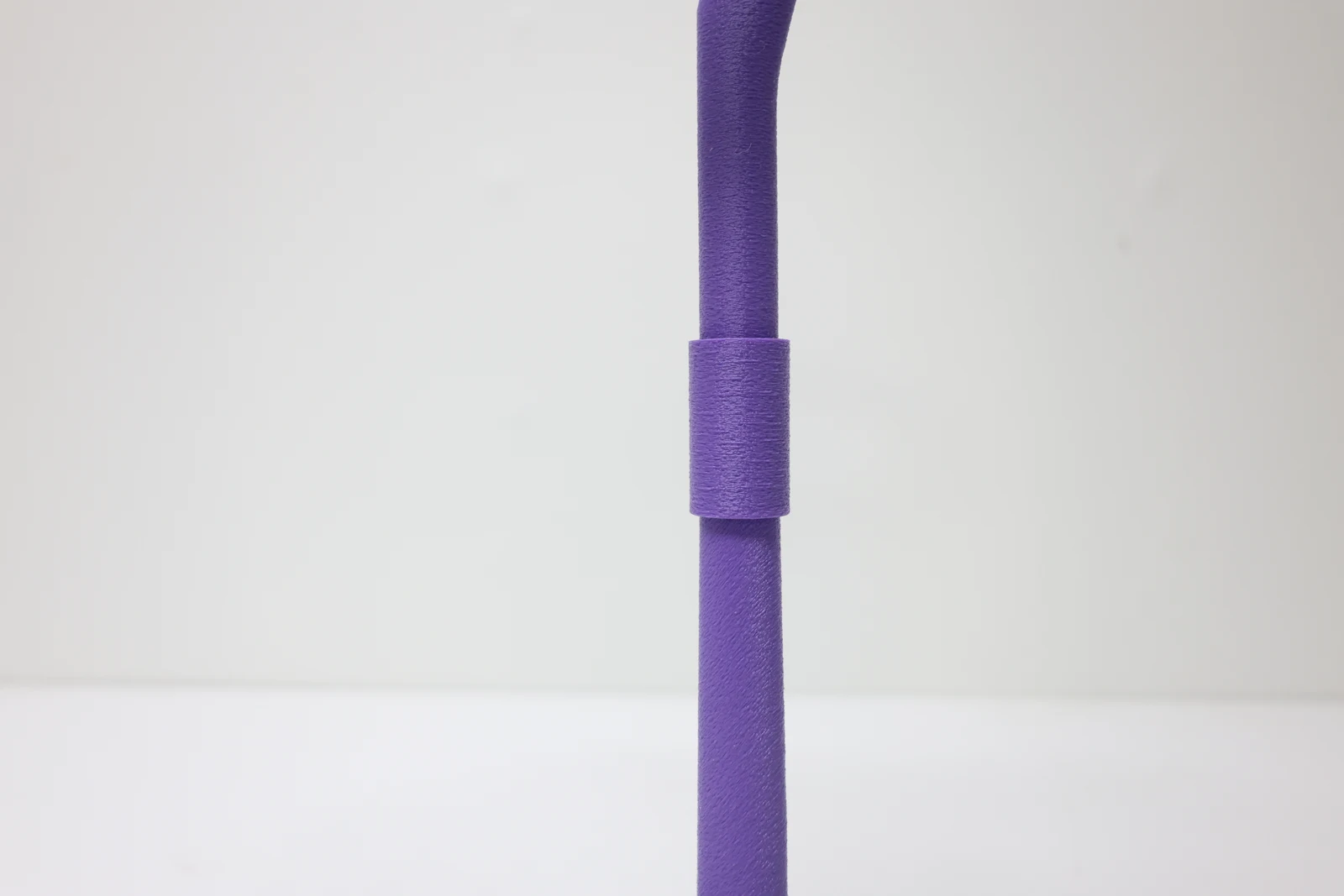
    Ask to assemble and separate the exact combination proposed for your order. Check the joint alignment, orientation and stability, then confirm any electrical connection with the supplier’s instructions. A sample showing interchangeable pieces does not establish that every head works with every base. Record the approved combination in the specification and component checklist.

    This is especially important when developing several colors or silhouettes. Keep a clear reference for each retail SKU so photography, assembly instructions and replacement-part discussions all identify the same version.

    Close-up of a purple lamp stem sectional joint and printed surface
    Inspect the actual joint, not only the collection’s assembled silhouette.

    3. Compare the protected pack-out, not an empty carton

    Sectional construction allows the tall assembled form to be reviewed as separated components. The goal is a compact packing arrangement suitable for ecommerce. However, the smallest possible box is not automatically the best package. Each part still needs protection against contact, movement and handling damage.

    Measure the final closed carton with its protective inserts and all supplied accessories. Compare those measurements with the carrier’s dimensional-weight calculation and service limits for your route. Shipping savings depend on the finished package, destination and carrier quotation. Do not publish a percentage saving based on an unprotected mock-up.

    For the current reference configurations BZ2026-05 through BZ2026-12, the supplied product sheet lists 18.5 × 29.5 × 18 cm packages and assembled heights of 40–41 cm. Those figures illustrate the packing concept; confirm the exact model and final approved package in your quotation. Review the collection’s model-specific reference dimensions.

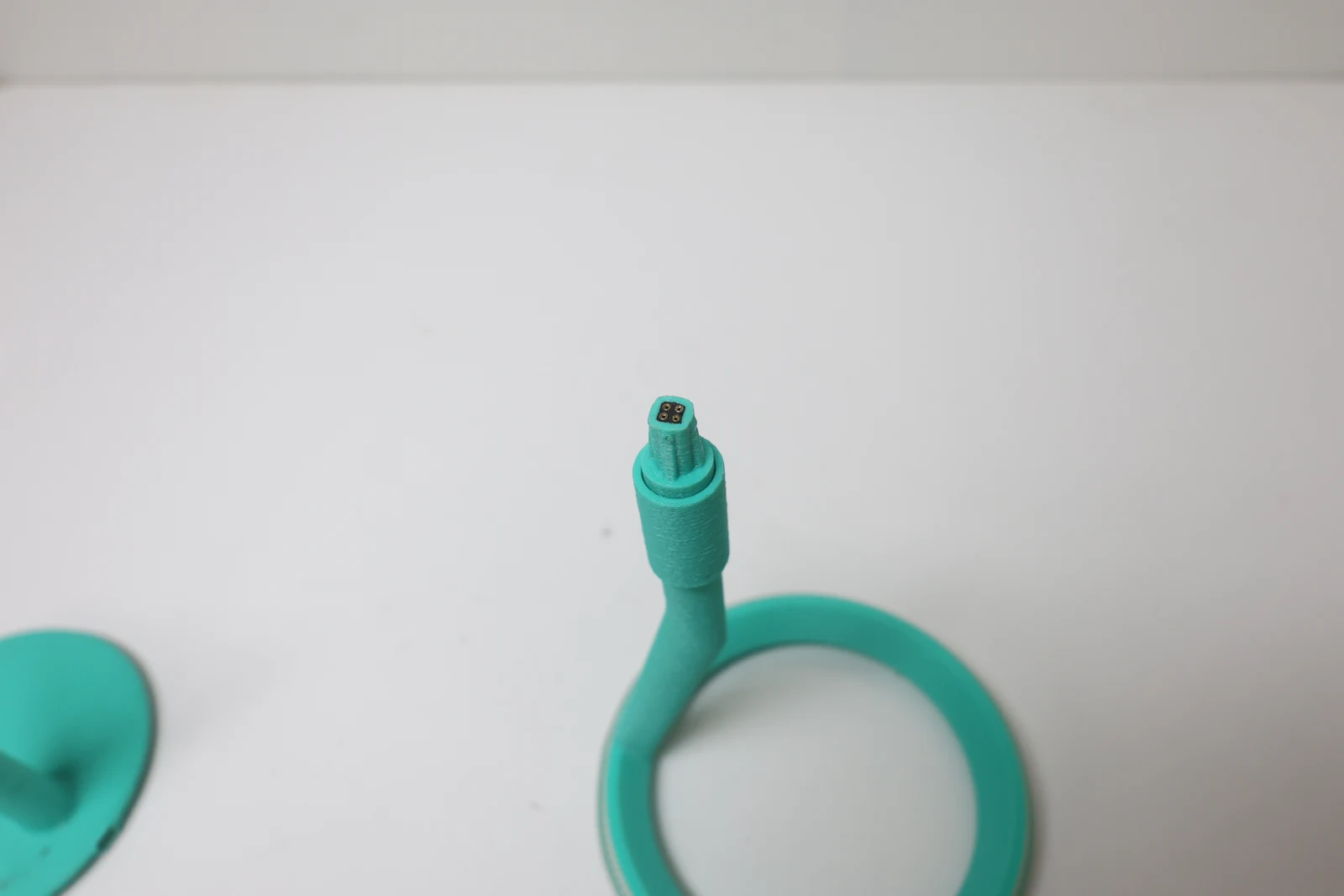
    Teal lamp head, sectional stem and base separated for assembly and packing review
    Separated real components provide a starting point for a protected pack-out trial.

    4. Approve printed color and texture in person

    For the selected printed finishes, color is incorporated during printing without an additional painting step. That is a specific production feature—not proof of an overall environmental footprint or certification. Review physical samples under consistent lighting and agree on acceptable color and texture before approval.

    Printed surfaces have a visible character that should appear accurately in close-up listing photos. Avoid retouching away texture that the buyer will see on arrival. A sample approval should address the real finish and the presentation expectations for your brand.

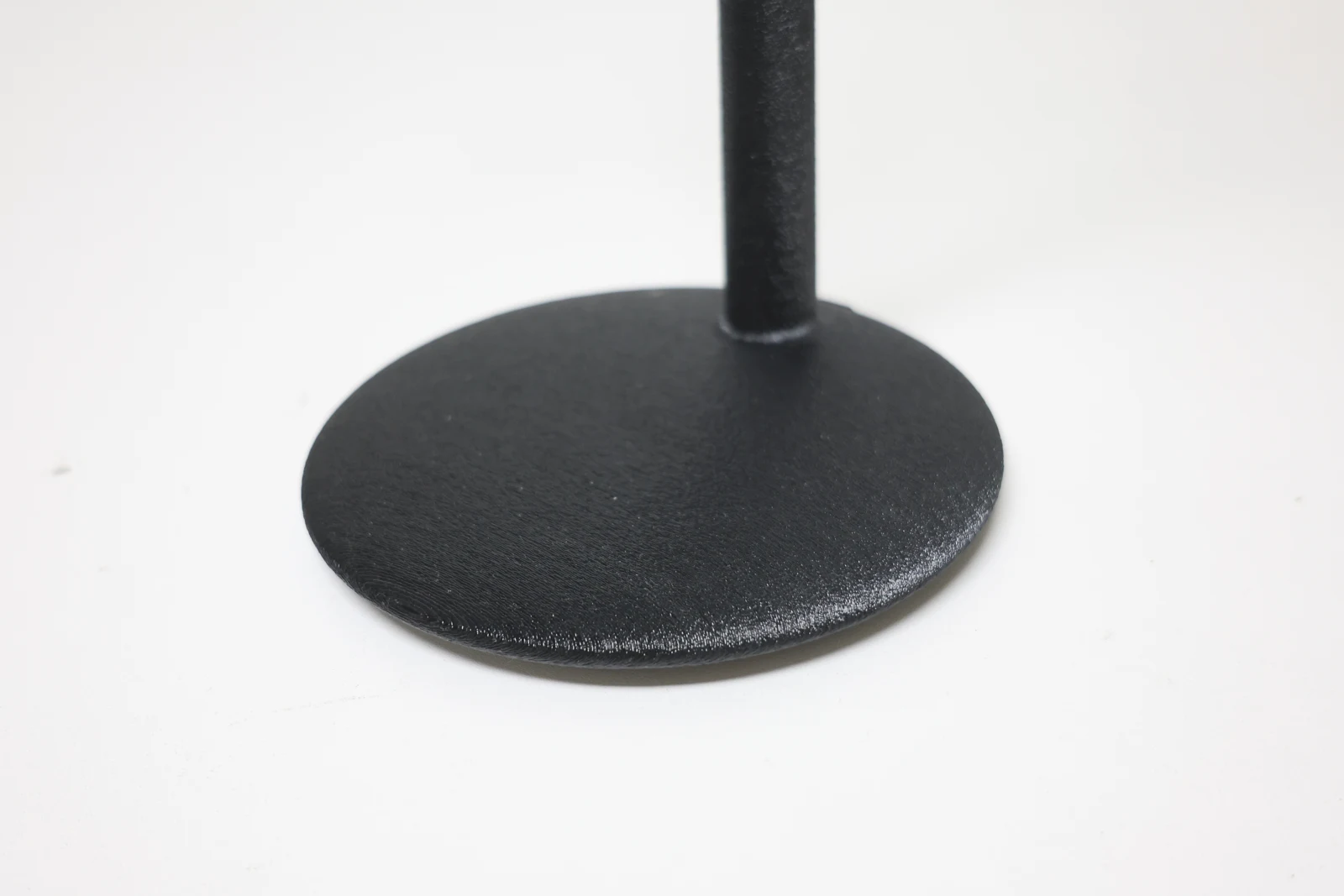
    Close-up of printed texture and edge detail on a black round lamp base
    Show the actual surface so the customer’s expectations match the delivered product.

    5. Make the manual match the delivered kit

    Use a numbered component list, clear assembly sequence and photographs of the approved version. Explain orientation and connection points without assuming the customer has seen your demonstration video. Electrical, charging, care and safety instructions must come from the exact configuration’s approved documentation, not another lamp in the collection.

    Before launch, compare the kit, manual, carton label and listing side by side. Do they show the same parts and functions? Can a first-time user follow the sequence? This review connects the product design with the customer’s unboxing experience.

    Frequently asked questions

    Does a modular lamp guarantee lower freight costs?

    No. Compare final protected carton dimensions and carrier charges for the intended destination.

    Can every head and base be mixed?

    Only use the approved combinations. Confirm mechanical and electrical compatibility for each selected version.

    Is no painting the same as an environmental certification?

    No. It describes a finishing step for selected parts. Broader environmental claims require separate evidence.

    What should I send with a sample request?

    Share your target customer, room, preferred silhouette, color reference and ecommerce packaging requirements.

    Request a modular lamp sample and packing review. Explore our lighting products or read the private-label bedside lamp sample checklist for another buyer-review framework.

  • Rechargeable-Bulb Fabric Wall Sconce: Buyer Sample Checks | JB-330

    Rechargeable-Bulb Fabric Wall Sconce: Buyer Sample Checks | JB-330

    A wall light can make a small bedroom feel deliberately designed. But for a U.S. home brand, Amazon seller, or boutique hospitality buyer, a good-looking sample is only the beginning. The light has to fit the intended room, be understandable to the person using it, and arrive with instructions that match the actual configuration. That is the useful way to evaluate JianBian’s JB-330 fabric-shade wall sconce.

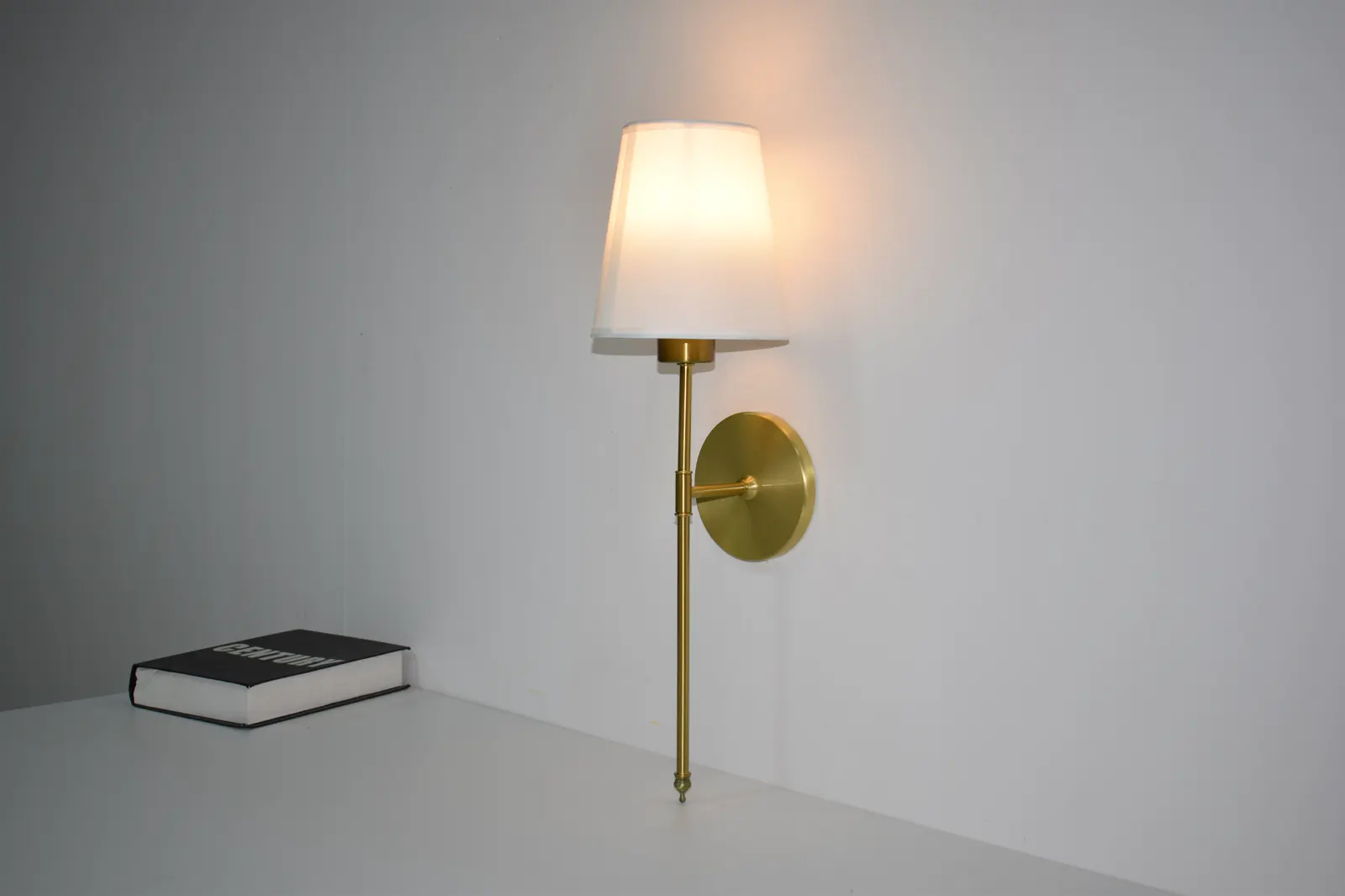
    Our real studio footage shows a slim gold-colored arm, a round wall plate, and a white fabric shade. The lamp is shown illuminated on a wall, and a separate assembly video shows the components laid out before assembly. The current JB-330 product record identifies a rechargeable bulb, a remote, and metal-and-fabric construction. These sources are enough to discuss the design direction and a sample-inspection process. They are not proof of installation load, battery runtime, U.S. certification, or suitability for every wall surface.

    Lit gold-tone JB-330 fabric wall sconce with white shade beside a tabletop
    Real JB-330 sample photograph.

    Start with the room, not the spec sheet

    Picture two possible buyers. A bedroom-focused home brand might want a soft-looking bedside accent that leaves the nightstand visually clear. A boutique hotel buyer might want a consistent, easy-to-explain look across several guestrooms. In both cases, the shade’s proportions and the arm’s placement matter as much as the light itself. When reviewing the sample, stand at the angle a guest or shopper would see first. Is the shade level? Does the wall plate look centered? Is the finish consistent where the arm joins the plate? Does the product still look intentional when switched off?

    The photographed sample has a white tapered shade and gold-tone hardware. That combination reads as warm and traditional-to-transitional in this shoot; a different fabric, trim, or finish could target another visual story, but any proposed variant should be treated as a development option until a physical sample is approved. A brand should not assume that changing the shade is merely a graphic-design decision. Confirm the shade attachment, clearances, balance, and packed dimensions on the actual variant.

    Front view of the illuminated white fabric shade and gold-tone wall arm
    Real JB-330 sample photograph.

    Ask how the bulb and controls work together

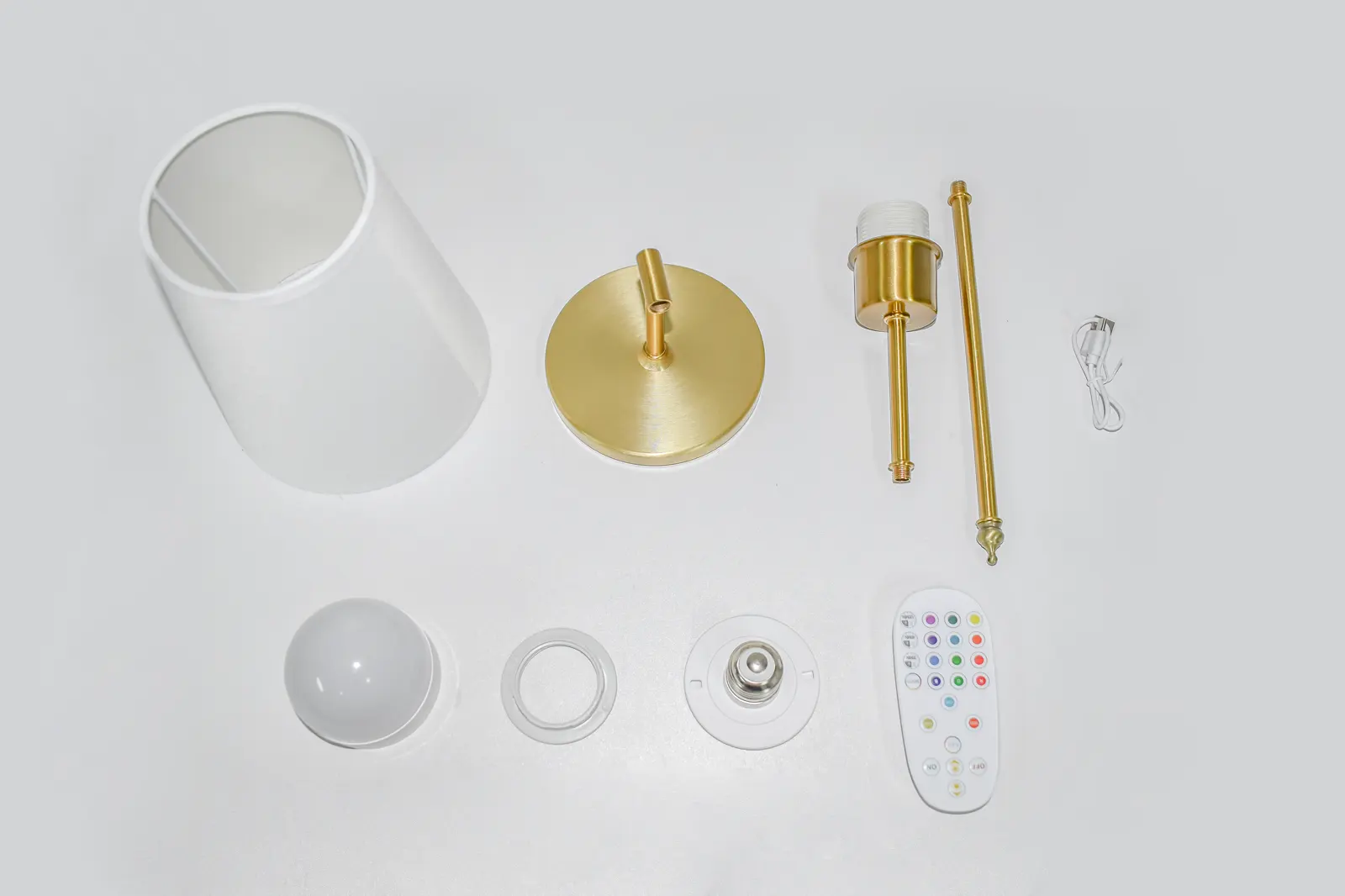
    JB-330 is documented internally as a wall sconce with a rechargeable bulb and remote. The assembly photo shows a bulb, remote, charging cable, shade, wall plate, and other hardware. Before writing an Amazon listing or instruction booklet, test a production-intent sample and film the exact sequence a customer will follow: charge the bulb, fit it correctly, operate the controls, remove it for the next charge, and reinstall it. Record which actions are possible from the lamp and which require the remote.

    There is a practical reason to test instead of copying an older sales sheet. The remote visible in the source photography has more colored buttons than the three white-light settings recorded in the current database. That discrepancy does not establish an RGB function for the saleable JB-330 configuration. Ask engineering to identify the approved bulb-and-remote pair, then align the video, listing images, manual, and packaging with that exact pair. Until that match is closed, avoid promises about color modes, dimming, or remote range.

    JB-330 sample components with fabric shade, gold-tone hardware, bulb, charging cable and remote
    Real JB-330 sample photograph.

    Treat mounting as a sample test, not a marketing shortcut

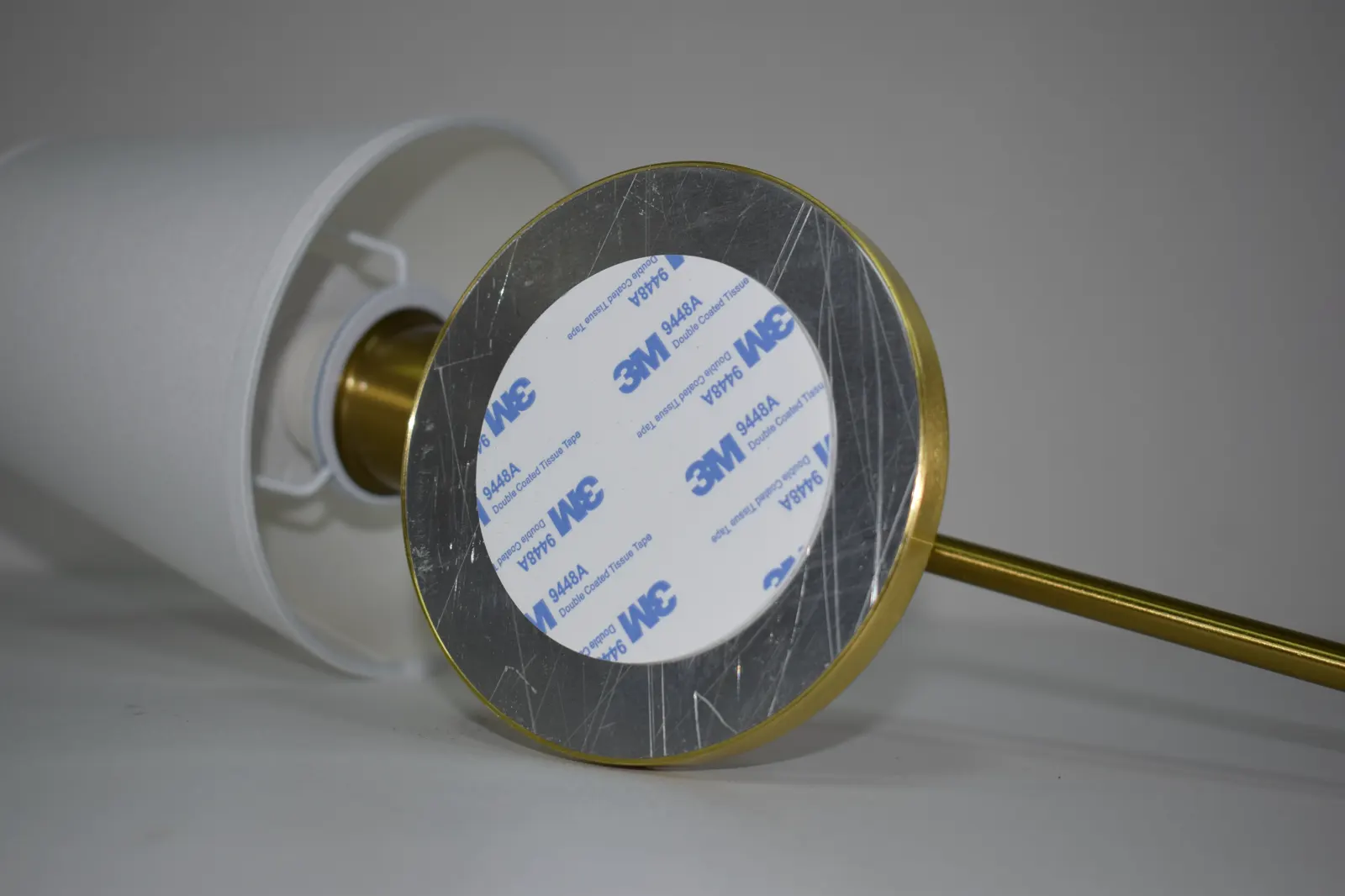
    The current product record mentions an adhesive installation method, and a real close-up photo shows adhesive backing on the sample wall plate. That photo and the wall scene do not demonstrate substrate preparation, rated load, removal, or long-term adhesion. A U.S. buyer should ask for the approved installation method, compatible wall surfaces, environmental limits, placement instructions, and any required warning language for the exact mounting configuration. Test the complete assembly on the intended surface under a documented protocol before advertising “easy installation” or a no-drill benefit.

    For a hospitality project, the buyer may have additional maintenance and property requirements. The right question is not whether the sample sticks to one photo wall. It is whether the approved mounting method is appropriate for the project’s actual wall finish and service plan. If the buyer’s preferred method differs from the sample method, discuss it as a development request rather than implying the current version already supports it.

    Adhesive backing on the JB-330 sample wall plate
    Real JB-330 sample photograph.

    Make the package and manual explain the real experience

    For Amazon and direct-to-consumer brands, the unboxing sequence needs to be as clear as the product photos. A buyer should confirm the approved bill of materials and photograph every item that will ship: lamp parts, bulb, control, charging accessory, mounting items, and documentation. Build a component checklist from that verified set. Do not lift an attractive exploded view from a prototype if the final box contains different parts.

    The manual should use the actual approved bulb and remote in its illustrations. Show assembly order, charging steps, safe handling, installation requirements, basic troubleshooting, and how to obtain support through the brand’s approved channel. For an Amazon listing, make the hero image a clean product view; use secondary images to answer installation, control, charging, size, and in-room placement questions. If a claim needs a test report or certification, keep it out of the copy until the exact model and configuration are matched to the document.

    Straight-on view of the white fabric shade and gold-tone wall-sconce hardware
    Real JB-330 sample photograph.

    A useful sample-review sequence

    We suggest a short, repeatable buyer review: first photograph the lamp off and on from the same position; next inspect the shade and finish at arm’s length; then verify the bulb-and-remote configuration; finally review the mounting, charging, and package instructions against the physical contents. Capture questions as decisions for the next sample round. That is more useful than guessing how the production version will behave from one attractive room photo.

    Watch the real sample review

    For a different rechargeable tabletop format, see our JB-469 glass-diffuser sample checklist. Check each product family against its own approved sample and specification.

    Interior shade support and gold-tone hardware on the JB-330 sample
    Real JB-330 sample photograph.

    FAQ

    Is JB-330 a plug-in wall light? The current record identifies a rechargeable bulb. Confirm the final power and charging configuration on the approved sample before creating a customer-facing electrical description.

    Can we promise that the adhesive works on any wall? No. Mounting surface, preparation, load, and use conditions need exact-configuration instructions and testing.

    Does the remote offer RGB or dimming? The photographed remote and the current product record do not yet resolve the approved control set. Request a matched bulb-and-remote demonstration before making either claim.

    Can we customize the shade or packaging? Discuss the target audience, finish, fabric, artwork, component list, and manual as an OEM/private-label brief. Any variant must be sampled and approved before it is described as available.

    If you are building a bedroom, hospitality, or private-label wall-light collection, send JianBian your target room, mounting surface, desired visual direction, and intended sales channel through the site inquiry form. We can use those details to define the right sample questions and document the exact configuration before listing copy is finalized.

    Send your room, wall surface and private-label brief to JianBian Lighting.

  • Brushed Gold, Matte Black or Chrome for Cordless Lamps?

    Choose a cordless-lamp finish by balancing the room palette, cleaning routine, guest touch points, lighting conditions and repeat-order control. Brushed gold adds warmth, matte black creates quiet contrast, and chrome reflects surrounding colors and light. The right finish is the one that still looks intentional after sampling, daily handling and replenishment—not simply the most attractive rendering.

    How do the three finishes change a space?

    Finish Visual effect Approval focus
    Brushed gold Warm, decorative and softer than a mirror finish Tone, grain direction, gloss and consistency
    Matte black Restrained, architectural and high contrast Texture, fingerprints, edge coverage and cleaning marks
    Chrome Reflective, crisp and visually light Reflection quality, waviness, fingerprints and packing protection

    These are design tendencies, not rules. Review the finish on the actual lamp form and in the intended room.

    When does brushed gold work well?

    Brushed gold can connect a cordless lamp with warm timber, brass details, beige stone and amber light. But “gold” is not one controlled color. Samples can vary toward yellow, bronze, champagne or rose.

    • Approve a physical color and texture standard.
    • Define brushing direction and gloss.
    • Review shade, stem and base together.
    • Set an acceptable repeat-order color range.
    • Do not approve gold from a screen image alone.

    When is matte black the stronger choice?

    Matte black supports minimalist spaces and can allow the light to become the visual focus. Test real handling: some coatings show skin oil, dust or polishing marks more clearly than expected. Review cleaning, texture, edge coverage and several models together so “matte black” remains consistent across the collection.

    What makes chrome different?

    Chrome reflects its environment. Inspect reflection clarity, joints, polishing areas, fingerprints, protective films and transit contact points. Do not infer corrosion or outdoor performance from the appearance; those properties require evidence for the exact configuration.

    How should cleaning affect finish selection?

    1. Identify the real cleaner, cloth and frequency.
    2. Test for gloss or color change.
    3. Check repeated wiping for streaks.
    4. Confirm fingerprints can be removed without aggressive polishing.
    5. Keep liquid away from switches, charging ports and joints.

    Does color temperature change the finish?

    Warm light can intensify gold and soften black, while cooler ambient light can make chrome feel brighter. Review the lamp switched on and off under the venue’s main lighting and at real guest viewing angles. Finish approval and light approval should happen together.

    How should a buyer approve a finish sample?

    1. Define the target with a physical reference or agreed color system.
    2. Confirm base material and surface process.
    3. Review an assembled sample under neutral light.
    4. Move it into the intended venue.
    5. Test handling and cleaning.
    6. Photograph it with a neutral reference.
    7. Sign and retain the approved sample or panel.
    8. Compare repeat orders against the same reference.

    Frequently asked questions

    Which finish hides fingerprints best?

    There is no universal answer because texture, coating and cleaning method vary. Test the actual sample after normal handling and wiping.

    Can a buyer approve a finish from catalog photos?

    Photos help narrow the direction, but final approval should use a physical sample under the intended lighting.

    Is brushed gold the same as champagne gold?

    No. These names can cover different tones and processes. Use a controlled physical reference.

    Does chrome mean the lamp is suitable outdoors?

    No. Appearance does not prove corrosion resistance, ingress protection or outdoor suitability.

    What belongs in a custom-color inquiry?

    Share the model, market, quantity, physical or coded reference, gloss, texture, logo method, packaging channel and required date.

    Evidence note: This guide describes a finish-selection workflow. It does not claim every finish is available on every model. Updated 2026-10-08.

  • Glass-Diffuser Rechargeable Table Lamp: 6 Sample Checks for U.S. Buyers | JB-469

    Glass-Diffuser Rechargeable Table Lamp: 6 Sample Checks for U.S. Buyers | JB-469

    A rechargeable table lamp can look excellent in a product photo and still disappoint once a buyer handles the sample. For an Amazon private-label launch, a boutique hotel pilot, or a small independent-store collection, the smartest first step is to inspect the exact model in realistic settings. This guide uses real photographs of JianBian’s JB-469 white mini table lamp and turns them into six practical sample checks.

    JB-469 white rechargeable table lamp beside a cup and book on a marble table
    JB-469 shown in a real tabletop setting, with the lamp switched off.

    Start with the actual sample, not a generic promise

    The current JB-469 product record describes a compact rechargeable table lamp with a glass diffuser element, an approximately 90 mm diameter base and 195 mm overall height, and a 1,200 mAh battery. The recorded individual color-box size is 95 × 95 × 215 mm. These are model-specific reference values for sampling; confirm the final production drawing, battery marking, and retail pack before using them in a customer listing. We have intentionally left out unverified runtime, power, protection ratings, certifications, warranty, and shipping terms.

    The photos below are of the physical lamp, not AI lifestyle renderings. They help a buyer judge shape, light appearance, base details, and placement. A photograph cannot replace a sample test or a compliance document.

    1. Look at the light when the diffuser is on

    Switch the exact sample on in a dim room, then look from seated and standing positions. Is the shade evenly illuminated? Can a guest see a harsh LED point from normal viewing angles? Does the tabletop receive enough useful light for the intended purpose? The warm-light appearance in our photographs is a visual reference, not a calibrated color-temperature or brightness measurement. Ask for a measurement report if your listing needs a numeric claim.

    Close-up of the illuminated JB-469 diffuser and lamp stem in a real tabletop photo
    A close-up of the illuminated diffuser helps reveal the light spread and edge finish.

    2. Check the physical controls and charging access

    Operate the sample yourself. Confirm the control location, the feedback after each press, and whether the same behavior appears on more than one sample. Inspect the charging port and cable fit without forcing the connector. Our close-up shows the port on this photographed unit; the final manual should match the delivered version exactly. Do not copy charging, dimming, or color-mode claims from another model. A buyer-facing instruction should say only what has been demonstrated on the approved sample.

    Close-up of the charging port on the white JB-469 table-lamp base
    The port is visible on the photographed JB-469 base; confirm the supplied cable and final labeling.

    3. Test stability and surface contact

    Place the lamp on a level bedside table, narrow shelf, and serving tray. Gently operate the control and move the table as an ordinary user would. Check whether the base rocks, slides, or marks the surface. The underside photograph makes the contact area easy to inspect, but stability still needs a hands-on test. For hospitality projects, have the property team assess placement and cleaning routines before ordering. For online retail, use photographs that accurately show the lamp’s scale next to familiar objects.

    Underside of the JB-469 rechargeable table lamp showing its dark base contact pad
    The underside is worth checking for contact finish and fit, not just appearance.

    4. Photograph the real use case

    A buyer may picture this silhouette on a hotel nightstand, a restaurant side table, or a living-room accent tray. The real photographs show how the compact white form reads beside furniture. They do not establish approval for outdoor use, food-service conditions, or any particular environment. Build the listing around the use case you have actually tested, and keep lifestyle storytelling separate from technical proof. A concise video of a person switching the lamp on and moving it between indoor settings often answers more buyer questions than a long feature list.

    Illuminated JB-469 portable table lamp on an indoor tray in front of a sofa
    A real indoor setting shows scale and visual mood without promising a specific performance level.

    5. Make packaging and instructions match the unit

    Before approving an Amazon or independent-site launch, request the exact sample pack. Compare the lamp, charging accessory, label, and printed manual line by line. Check that the retailer-facing dimensions and battery information agree with the approved bill of materials and final artwork. A glass element deserves careful cushioning and a documented transit-test plan, but we are not claiming that a particular drop-test result has already been achieved. The 95 × 95 × 215 mm color-box record is a useful starting point, not permission to publish final carton or logistics specifications without checking the production pack.

    6. Separate verified facts from future options

    Private-label teams often ask about finishes, branding, packaging artwork, or channel-specific inserts. Those can be discussed as project options, but the first listing should describe the exact unit that was sampled and approved. Keep a simple evidence file with the sample photos, revision date, measured specification sheet, manual proof, and any test reports. If a component, control board, battery, or packaging changes, review the copy again. This protects both the buyer’s brand and the end customer’s expectations.

    White JB-469 rechargeable mini table lamp lit on an indoor display shelf
    A second real indoor view illustrates how the same lamp silhouette works in a different setting.

    Watch the 64-second sample guide

    See the real lamp, lighted diffuser, base, and charging-port close-ups in the companion video. The video is a buyer checklist, not a certification or laboratory demonstration.

    Frequently asked questions

    Is JB-469 the same as a plug-in fabric-shade lamp?

    No. JB-469 is the rechargeable mini lamp pictured here. A plug-in fabric-shade model has a different power architecture and must be described from its own exact-model evidence.

    Can we publish battery runtime or a safety certificate from these photos?

    No. A photo can show the product and its use, but runtime, electrical ratings, and certifications require documentation for the approved model and market version. Request those records before making public claims.

    What should an Amazon seller request before ordering packaging?

    Ask for the approved sample, final dimensions and accessory list, label artwork, manual proof, battery and transport documentation where applicable, and a packaging protection plan. Match all copy and imagery to that revision.

    For another portable-lamp sampling framework, see our JB-468 private-label sample checklist. Browse more practical product stories on the JianBian Blog.

    Planning a U.S. private-label or hospitality sample review? Contact JianBian Lighting with your target channel, quantity range, and required documents. We will confirm the current JB-469 revision and provide model-specific information for your evaluation.

Follow Jian Bian